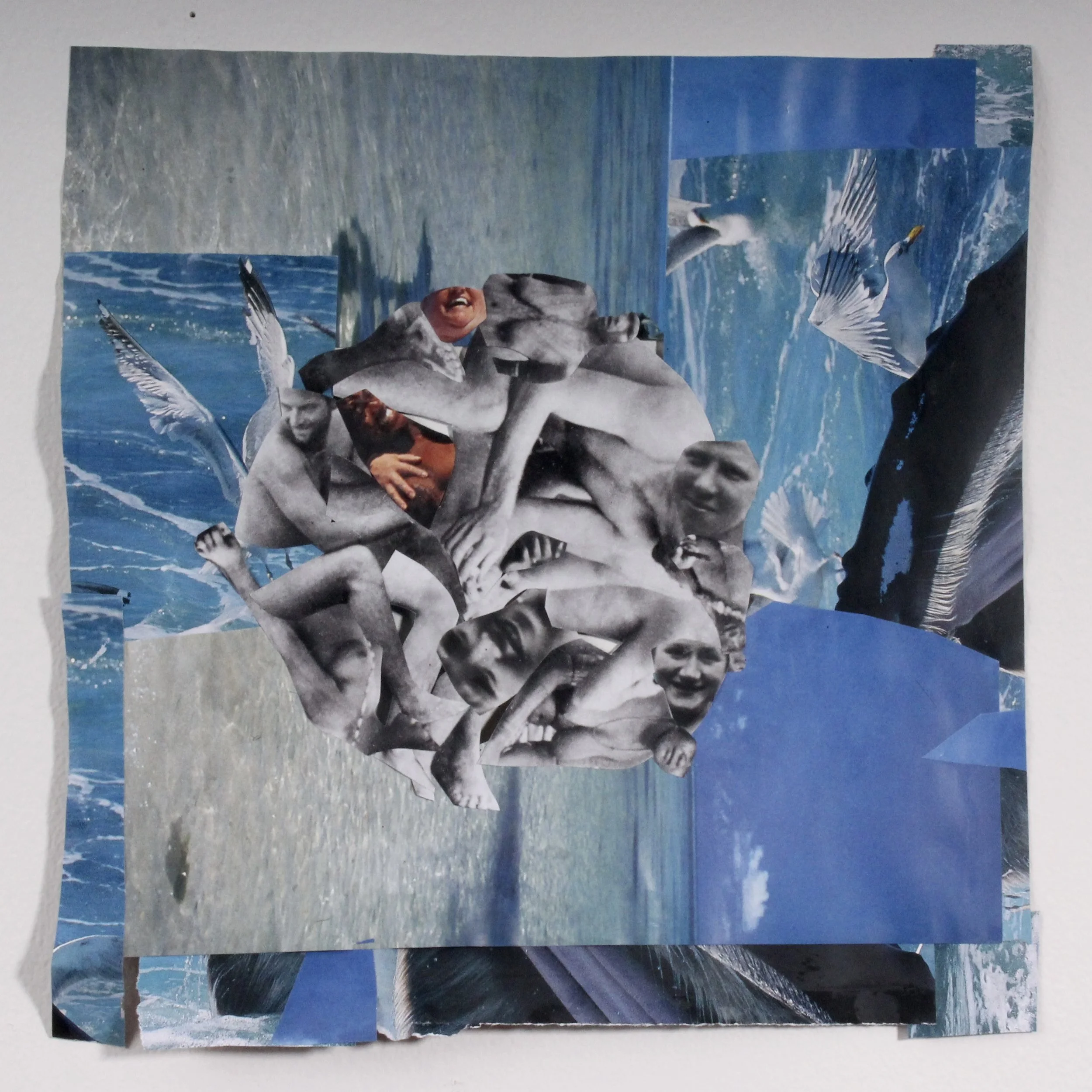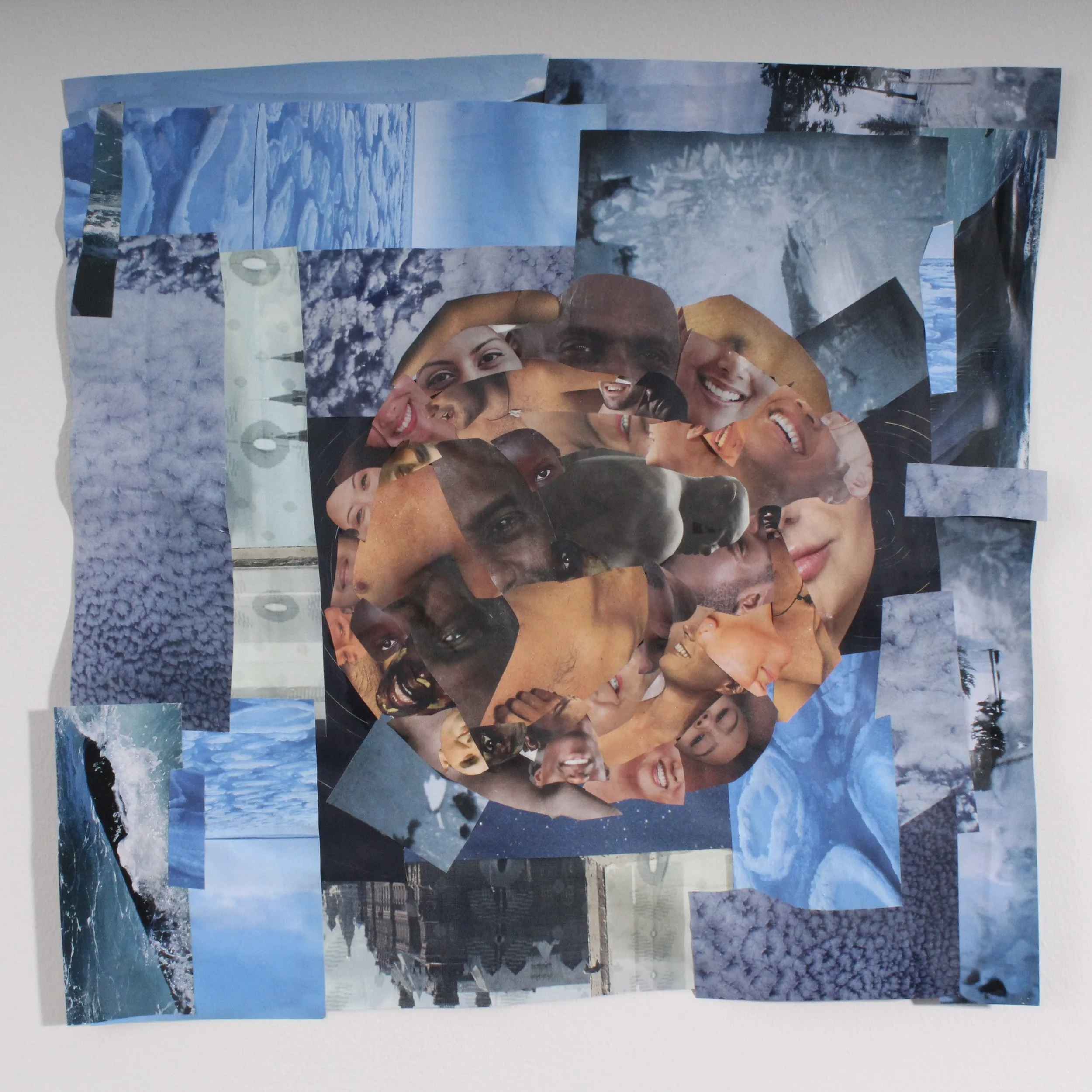
Fleshplanets
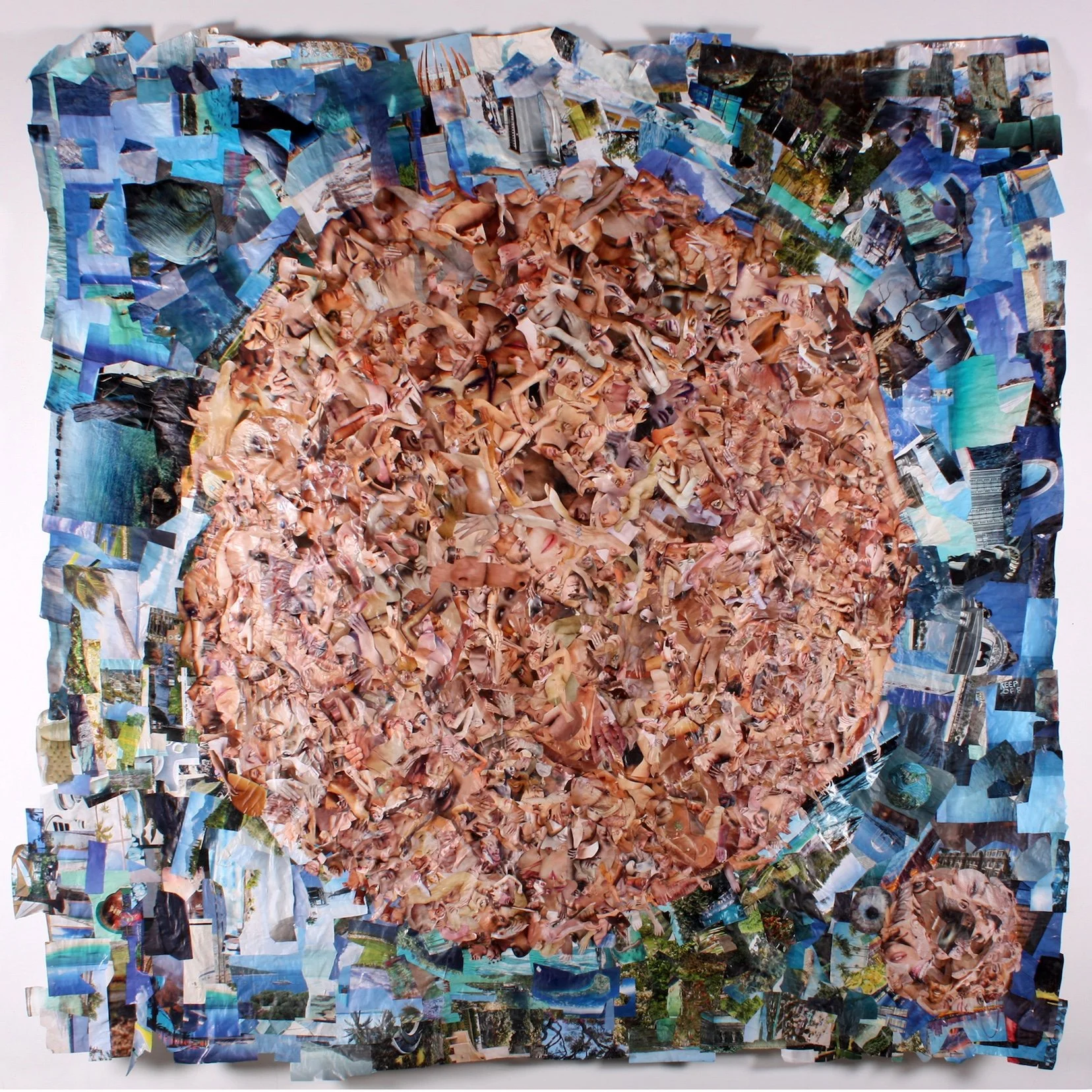
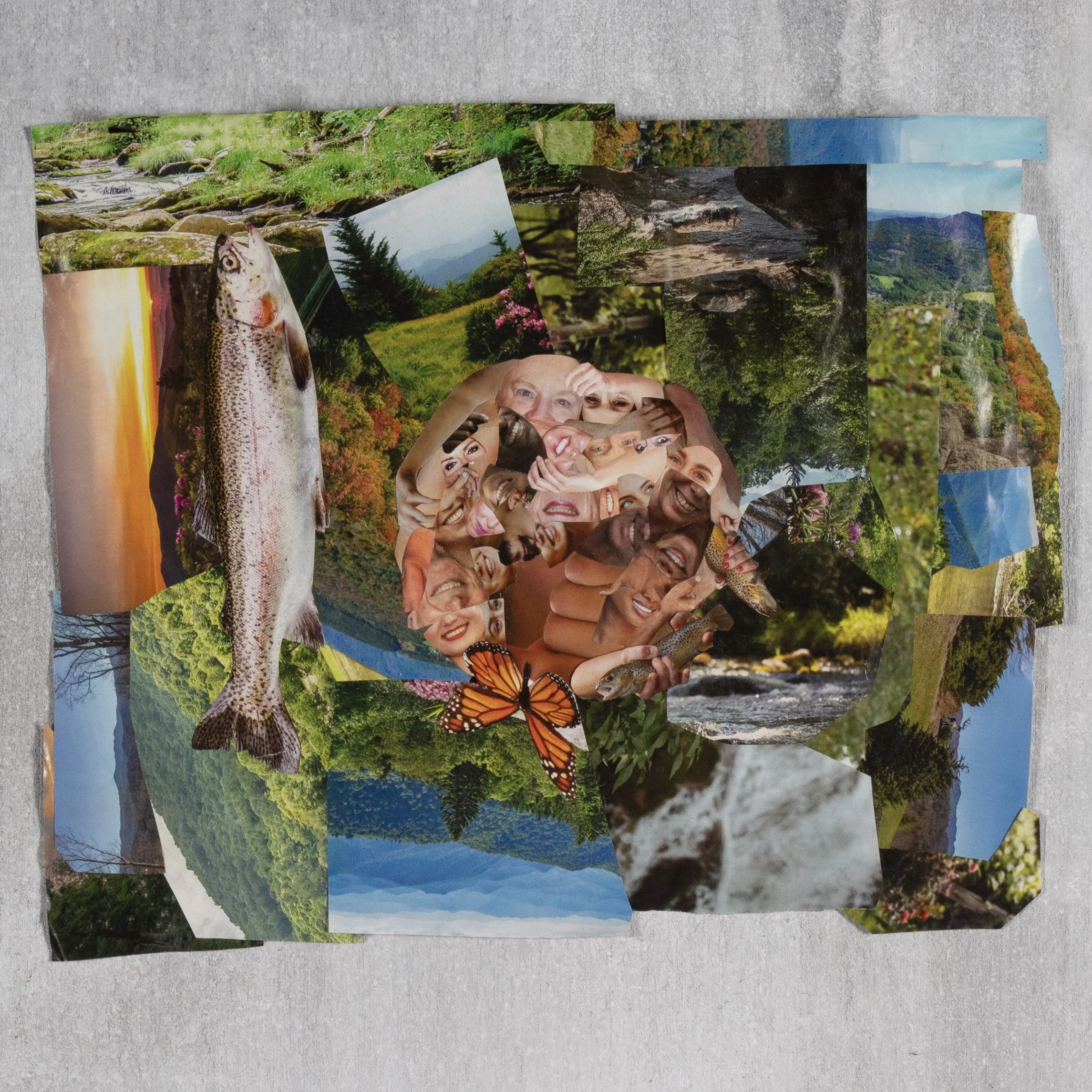
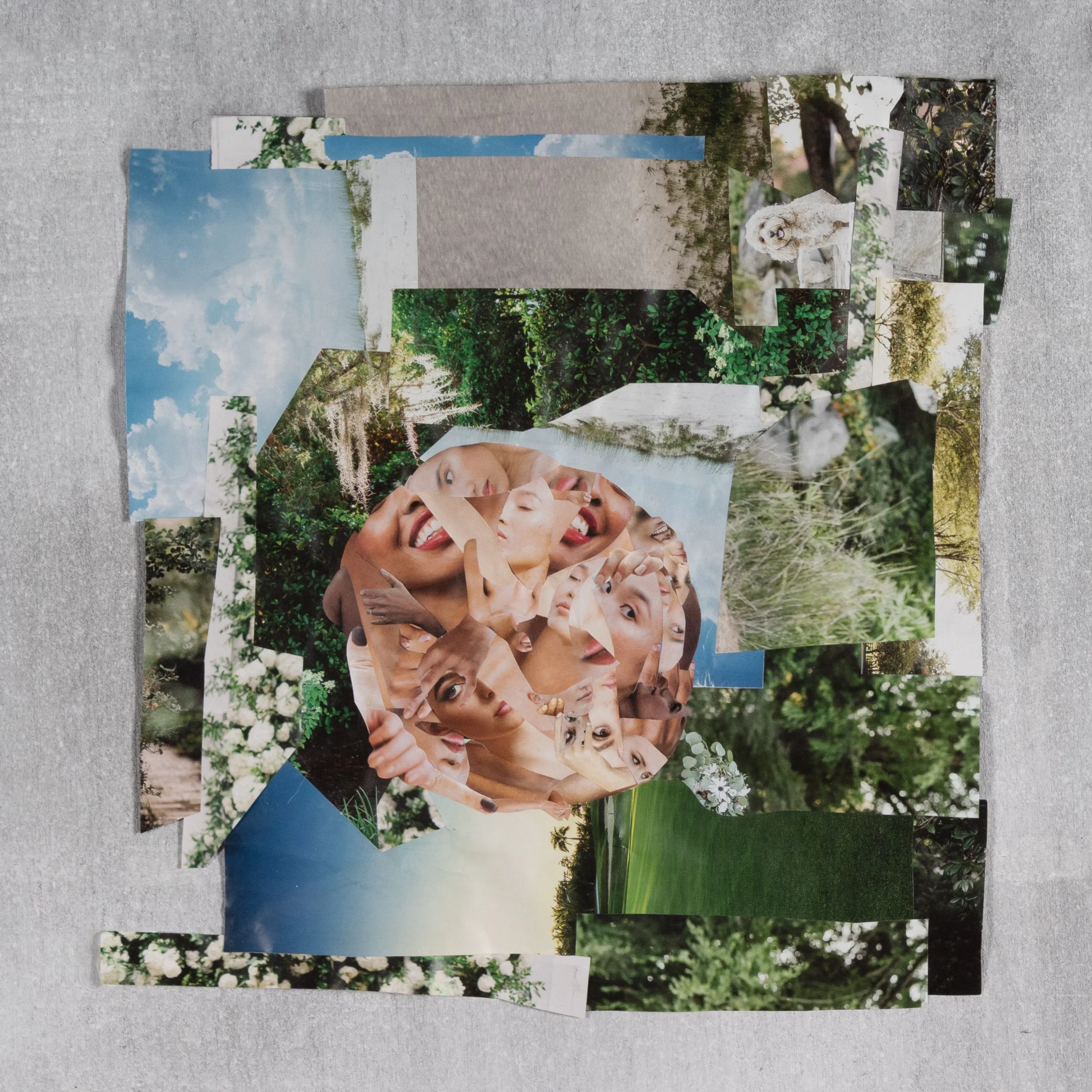
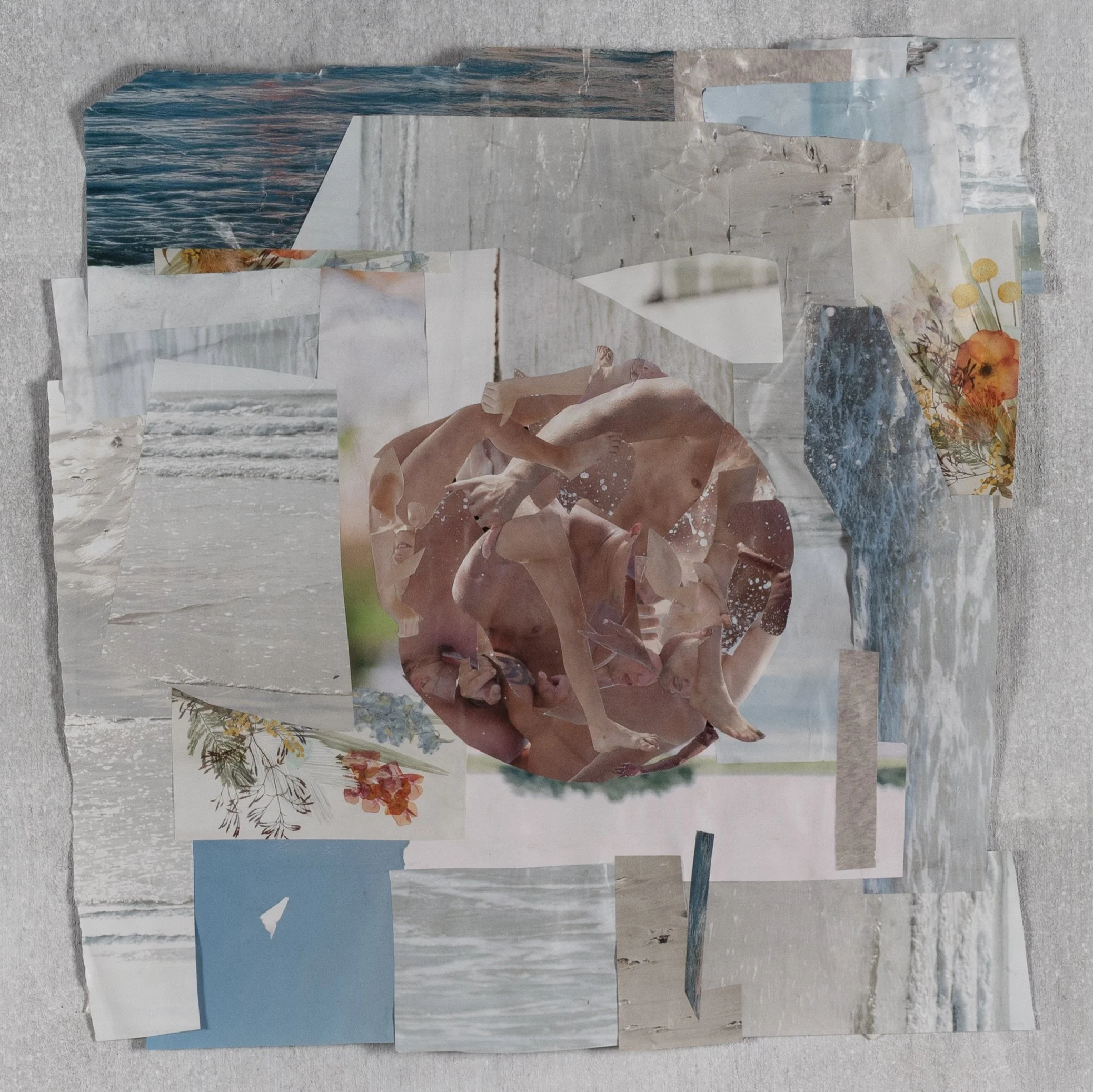
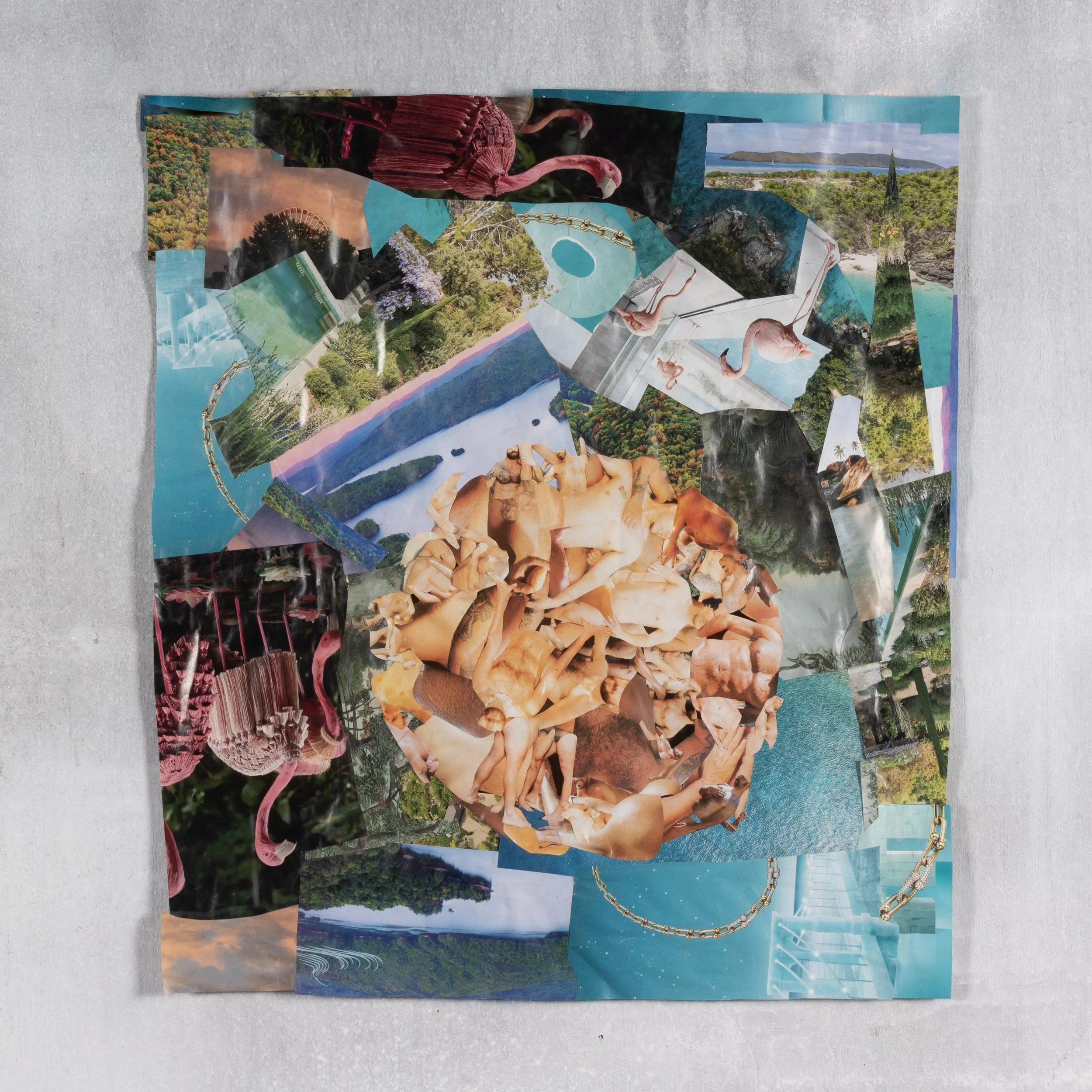
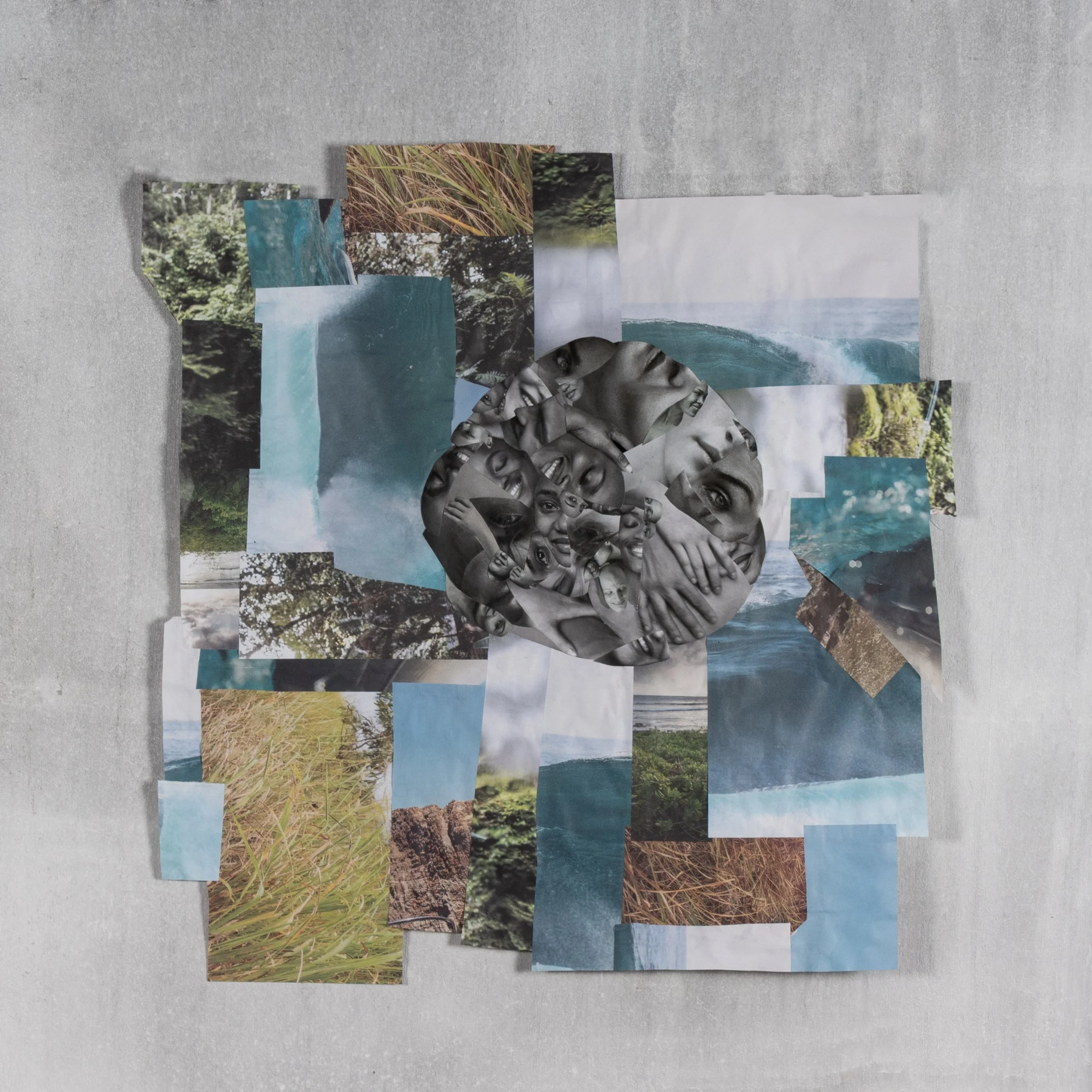
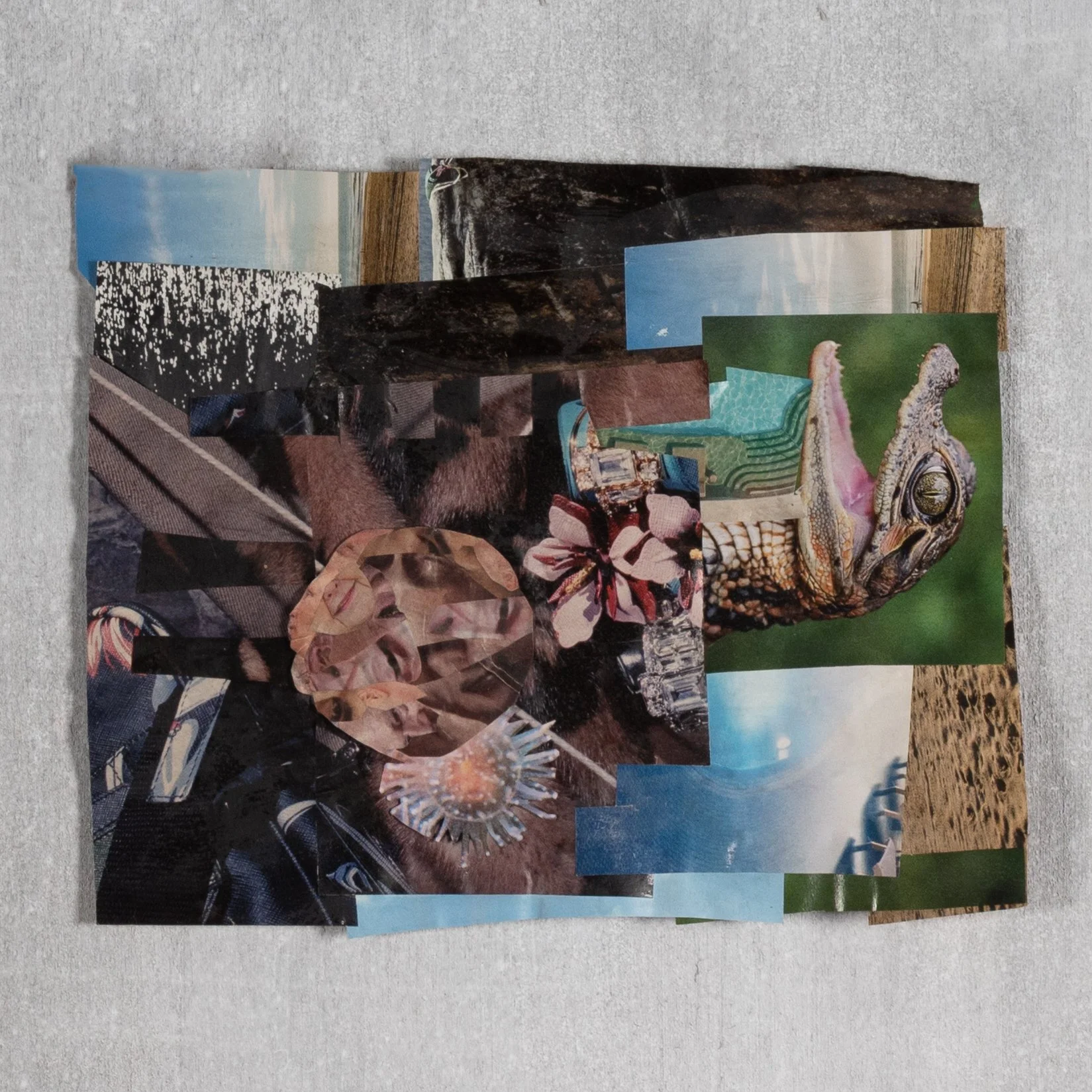
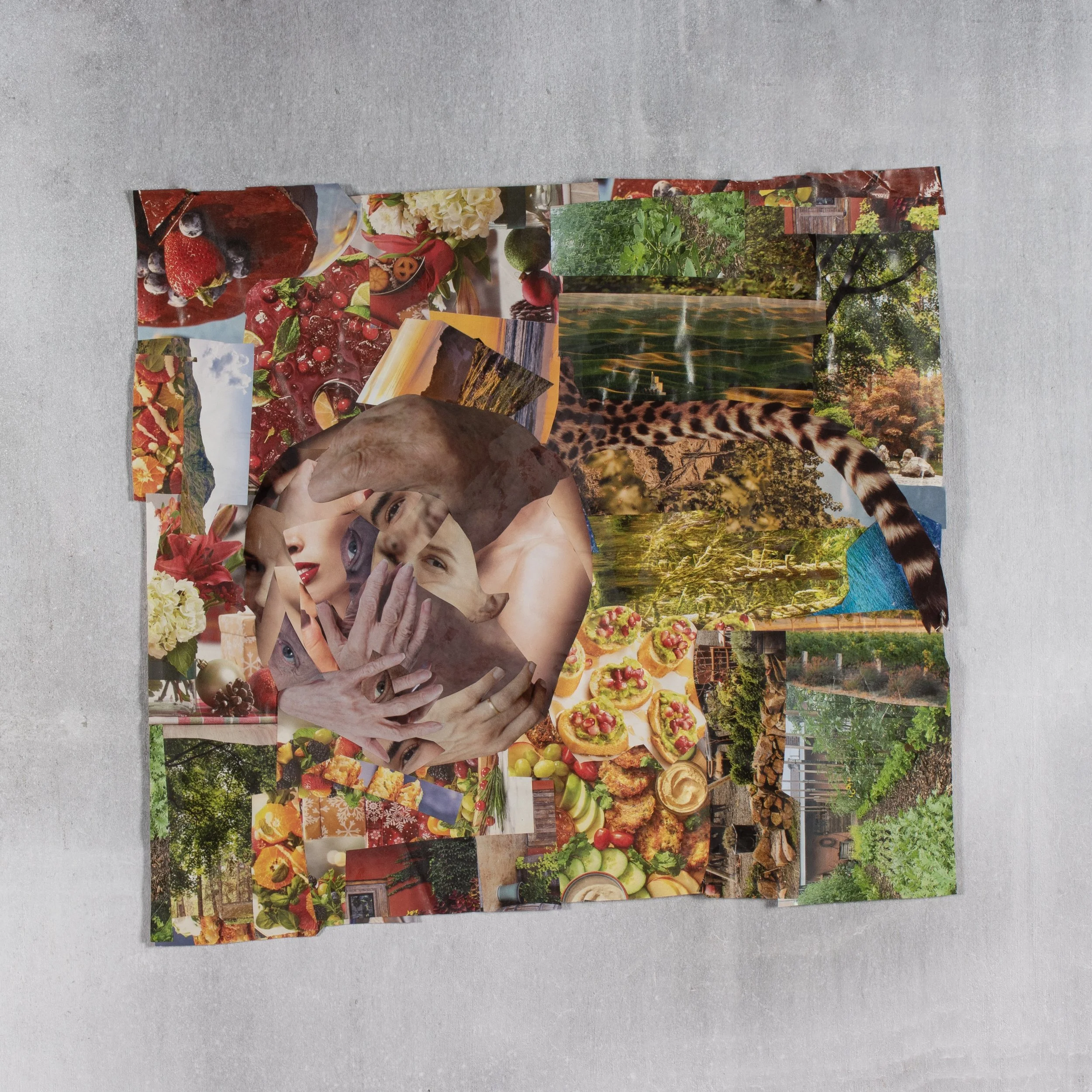
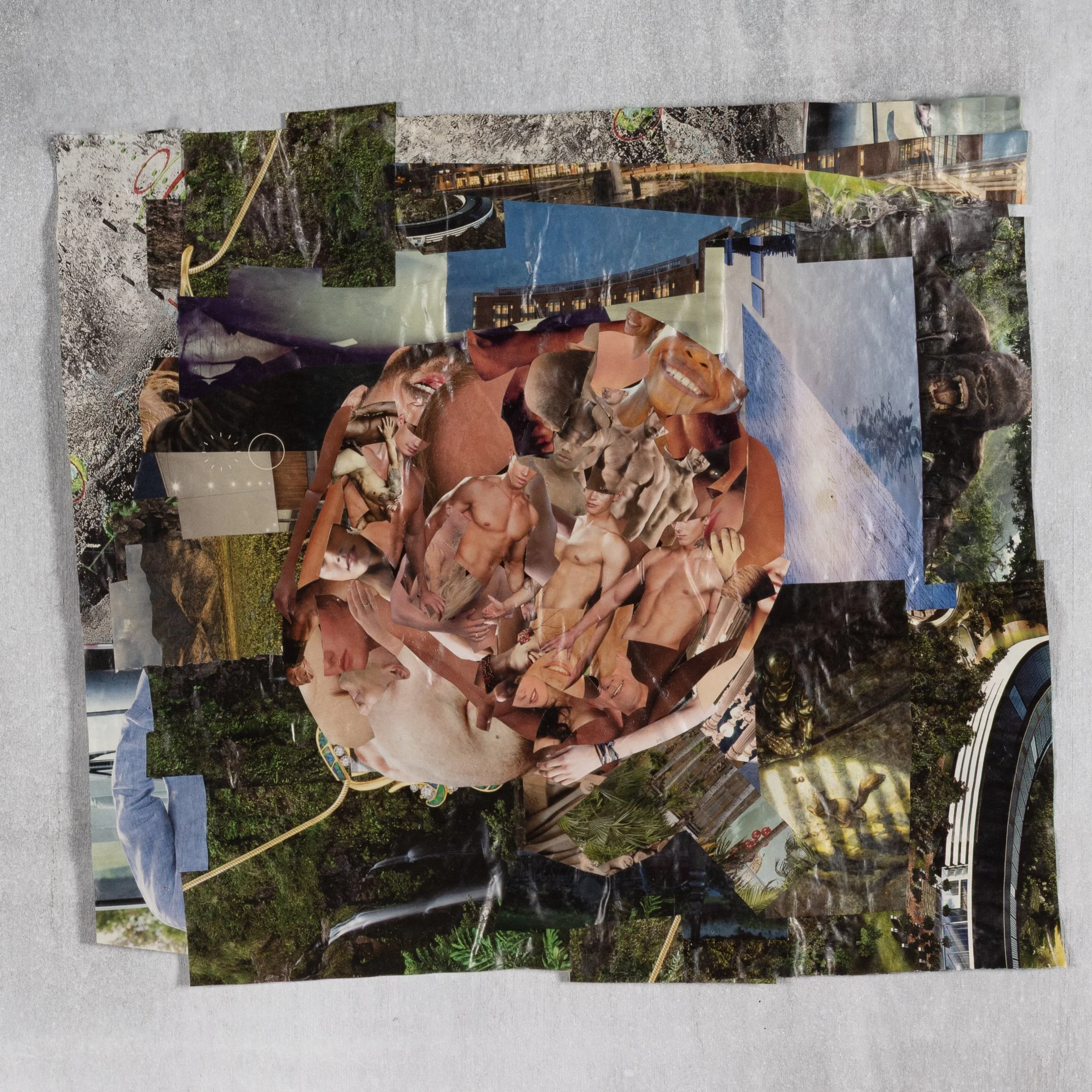
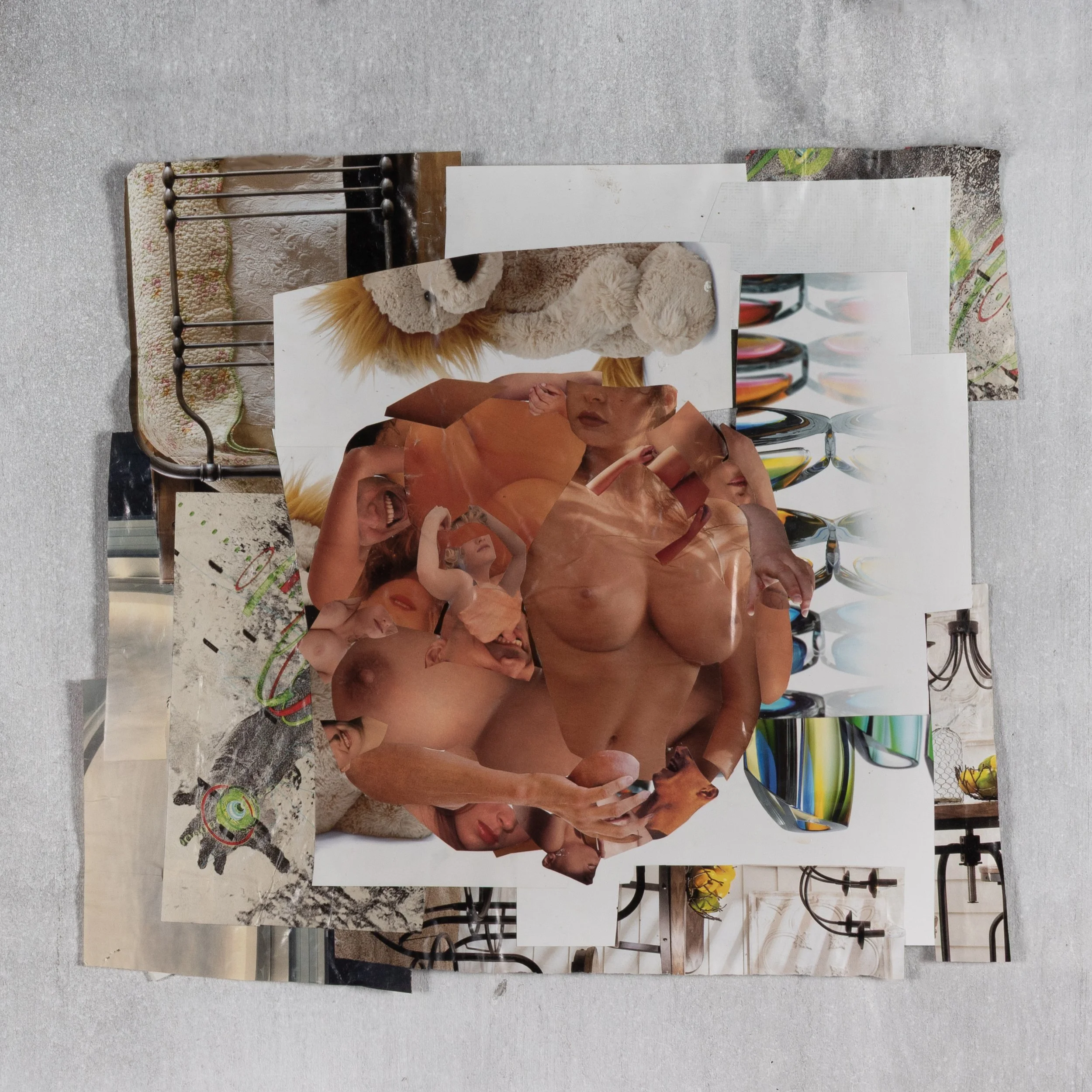
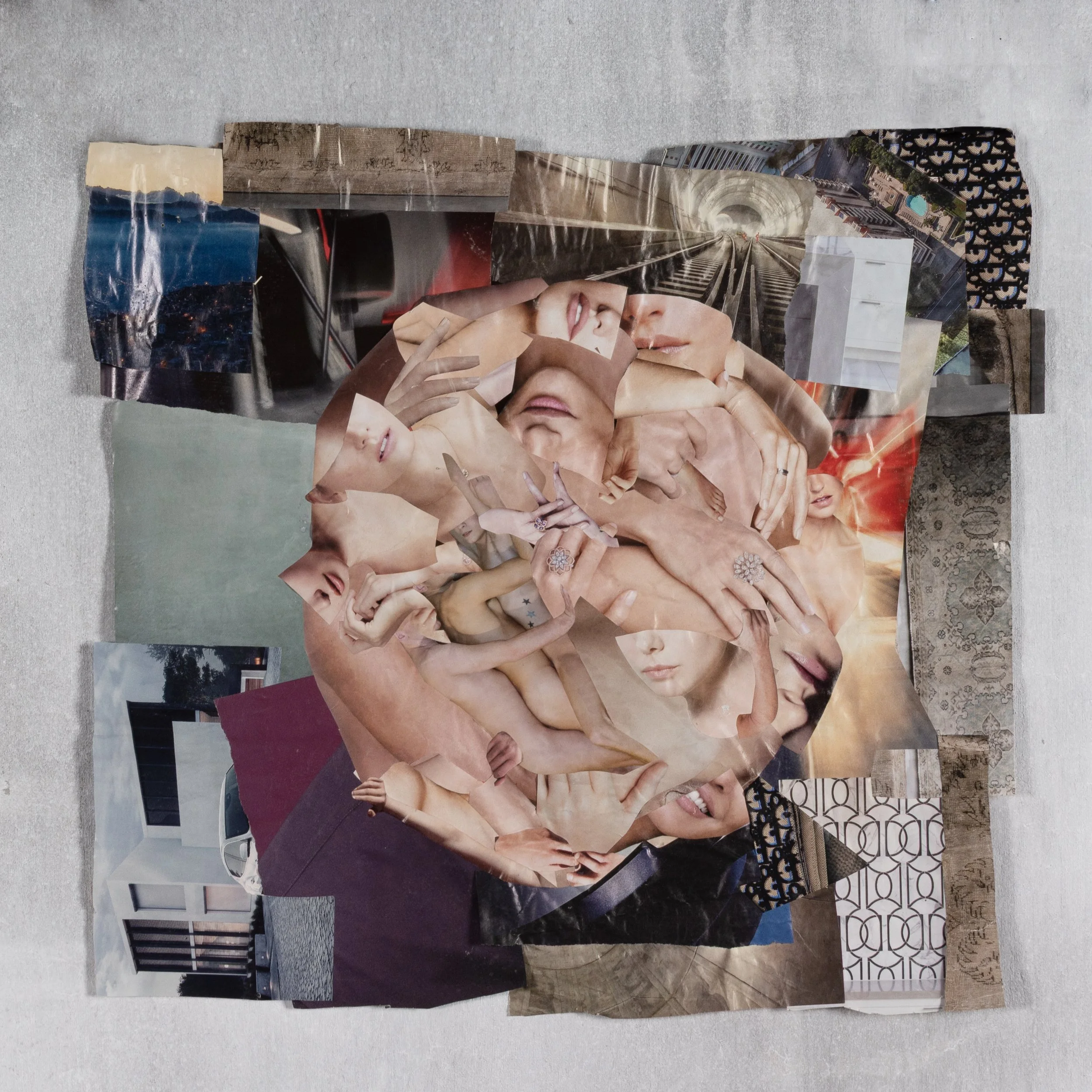
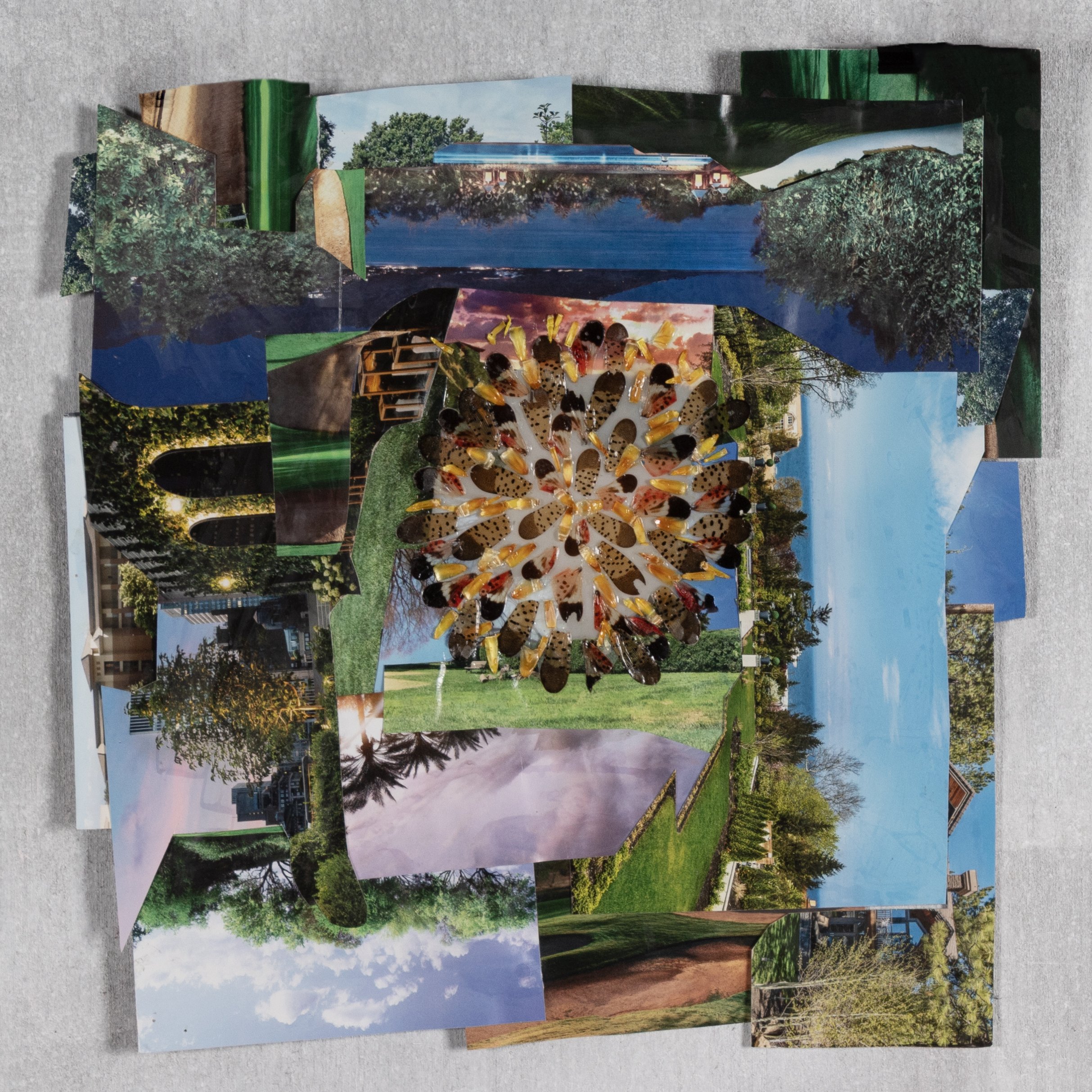
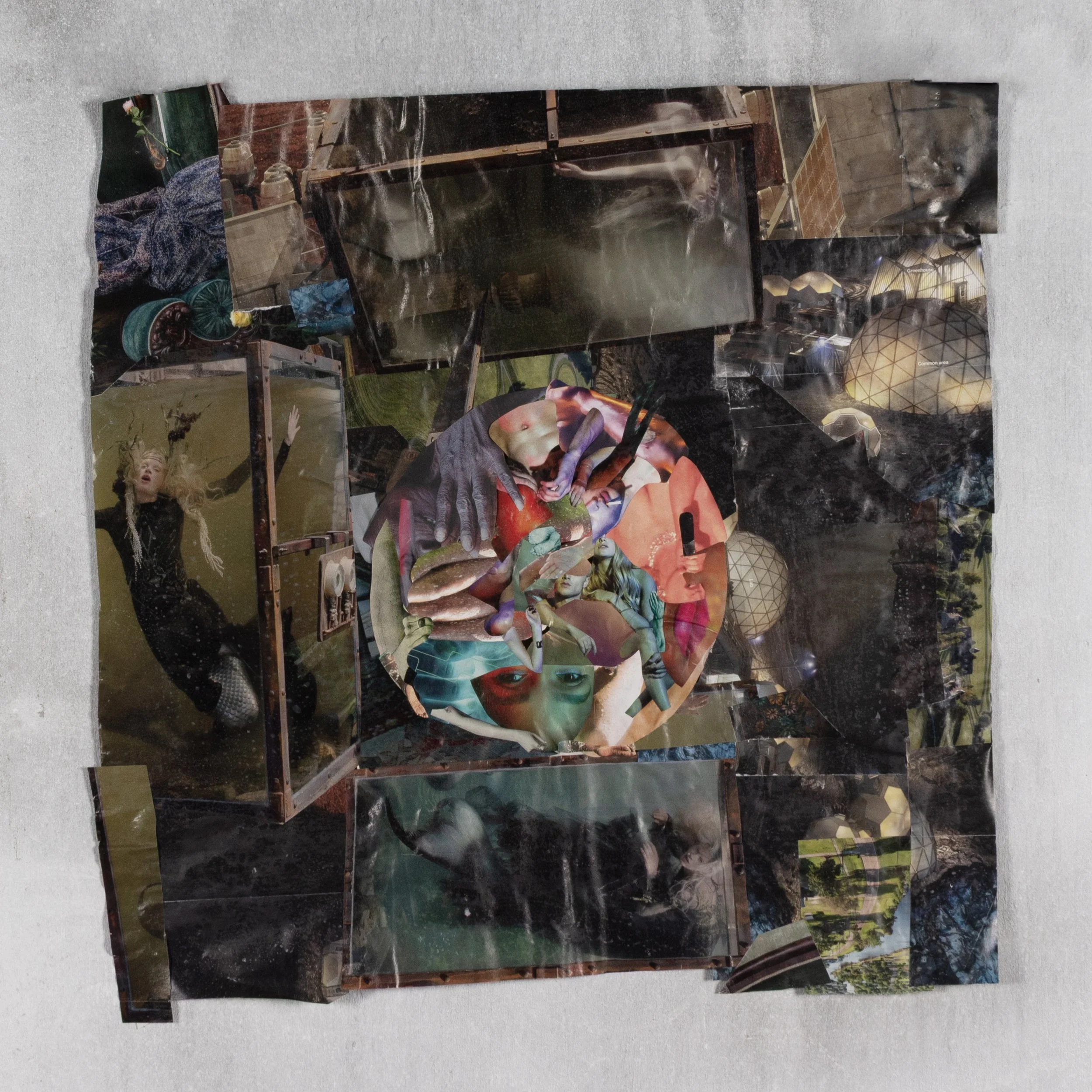
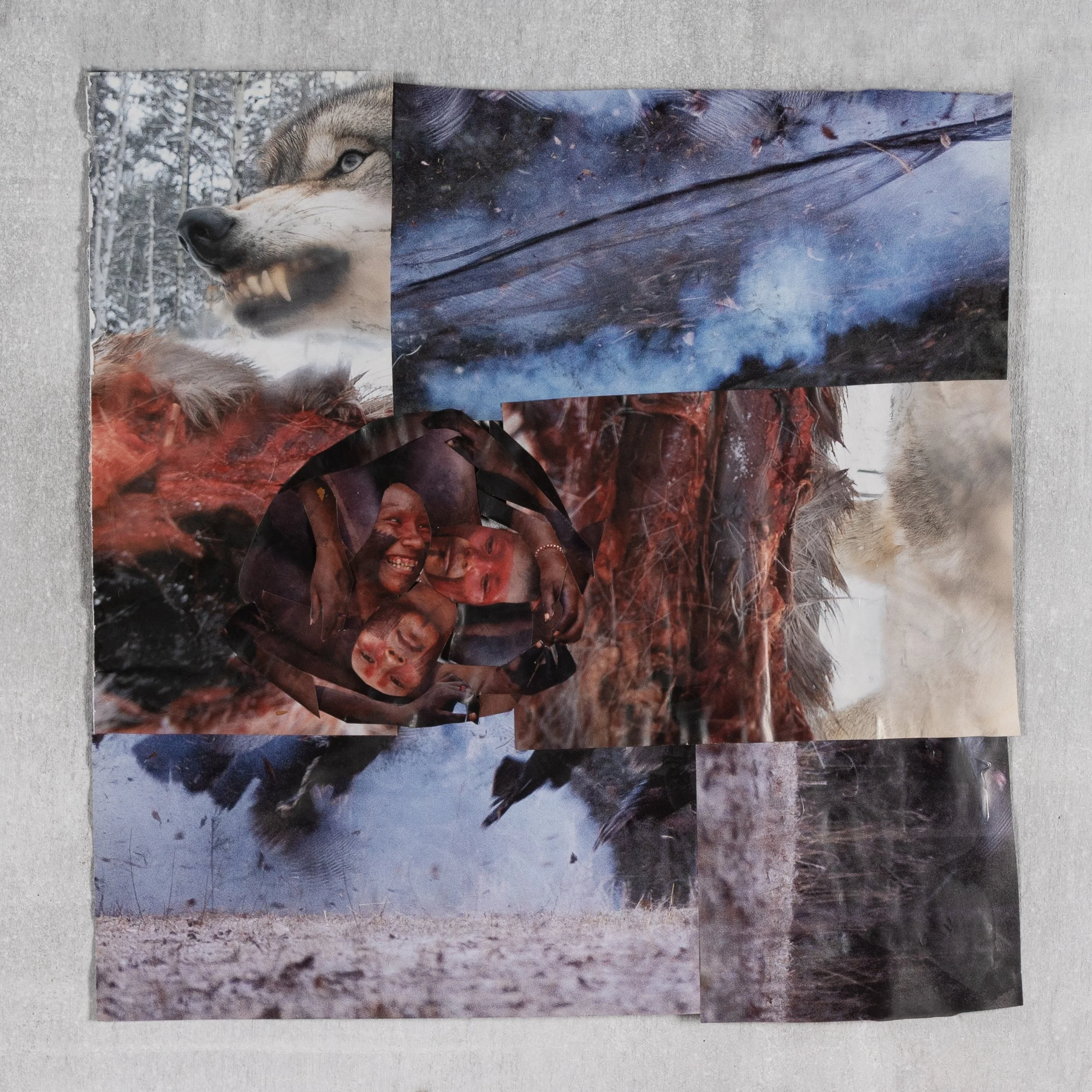
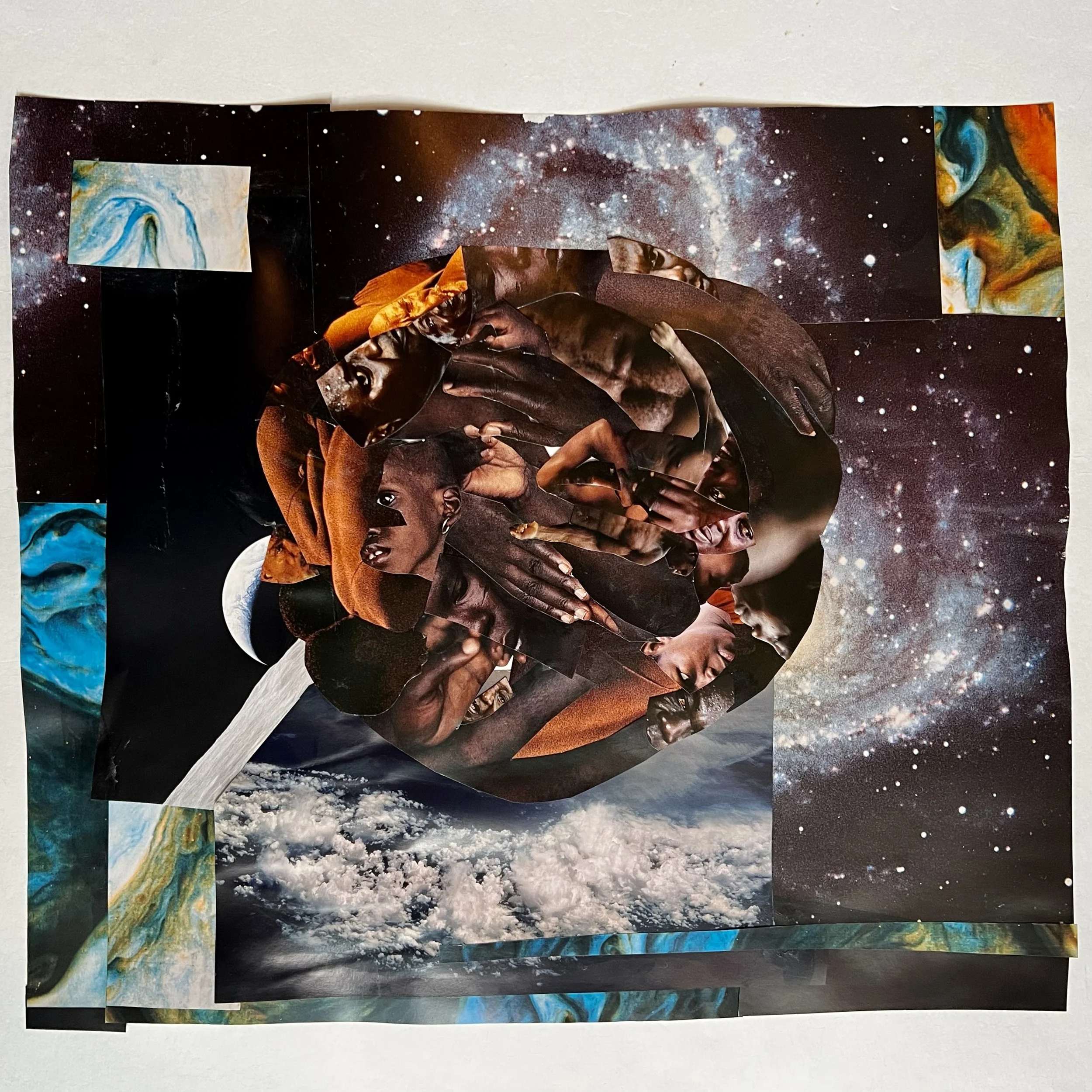
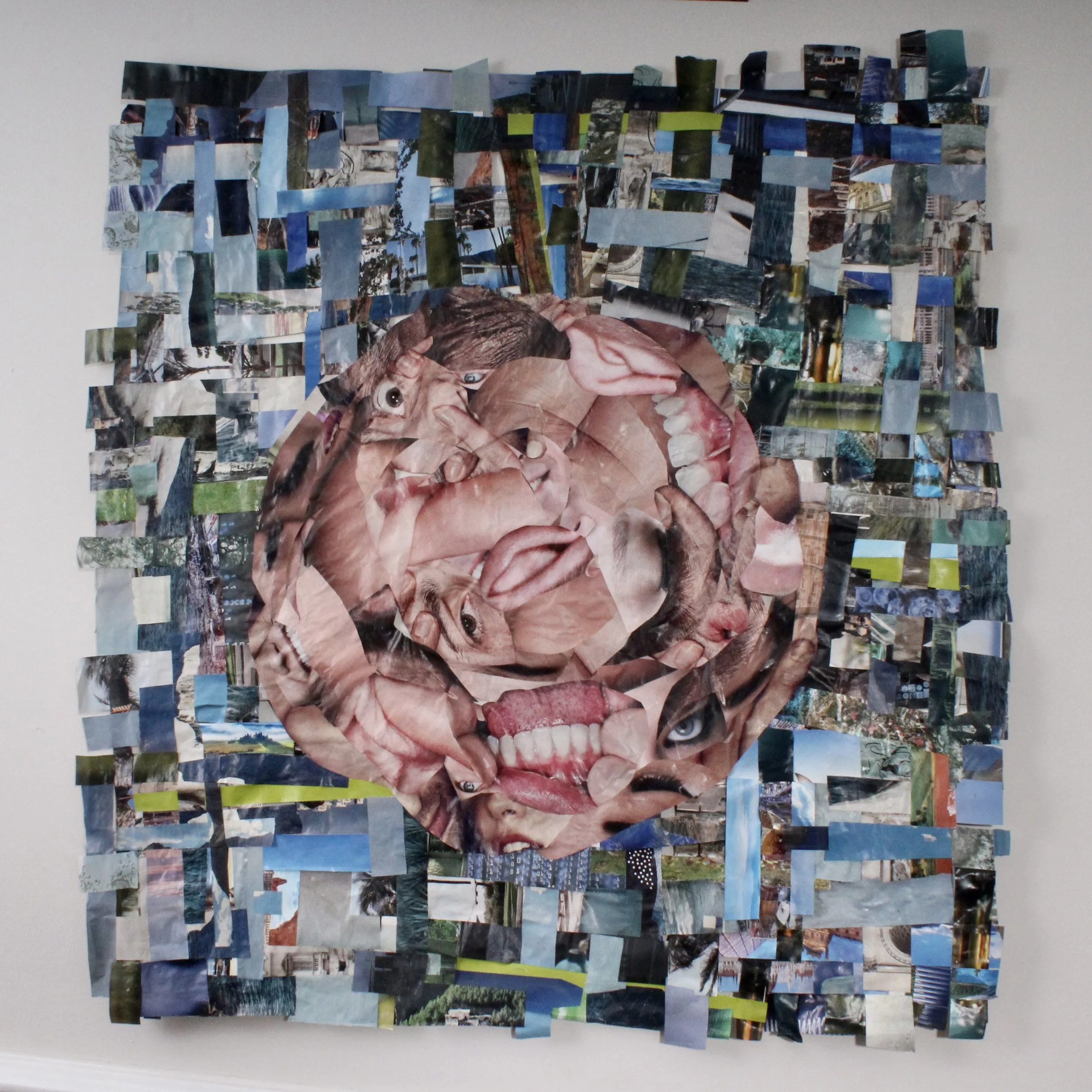
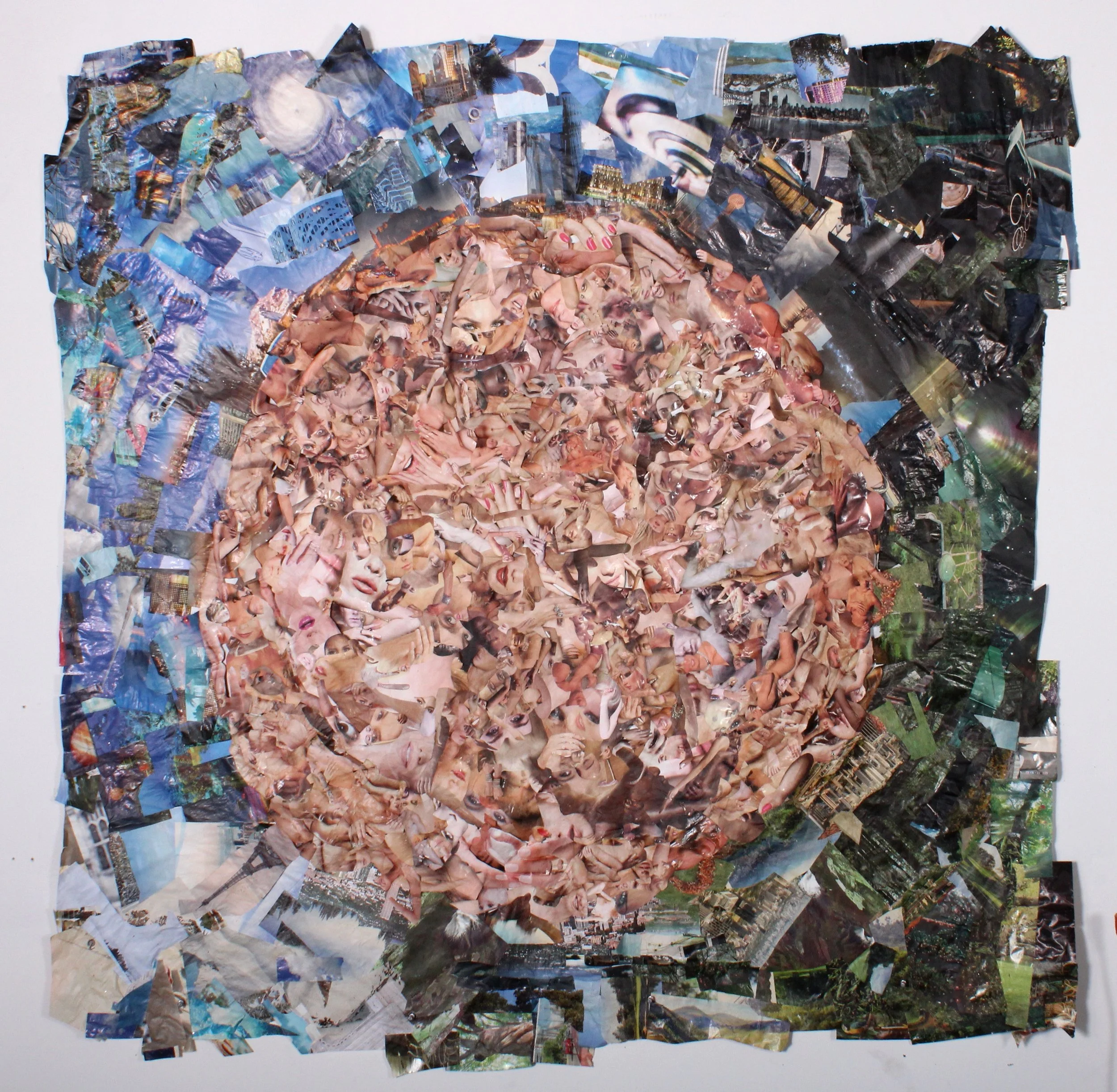
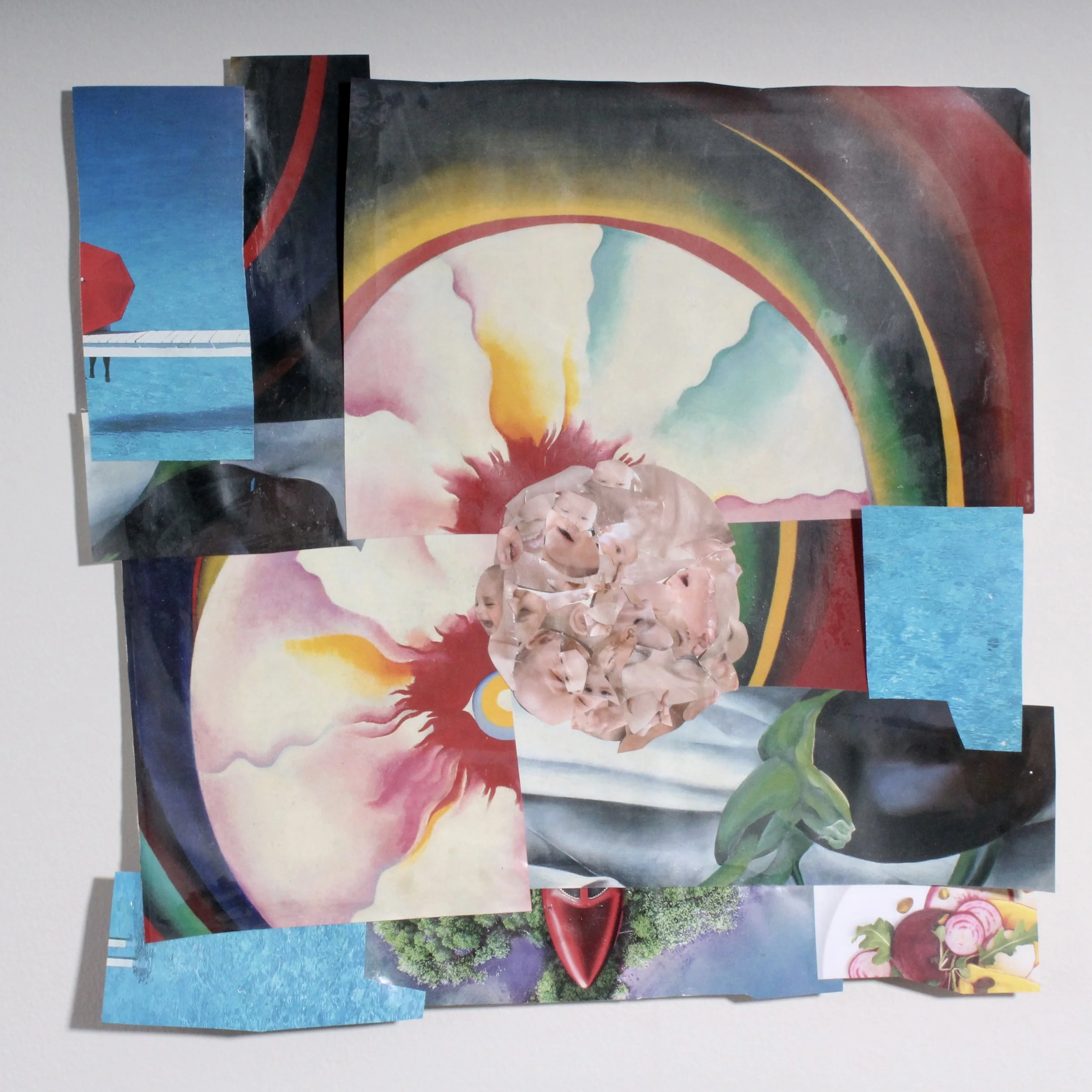
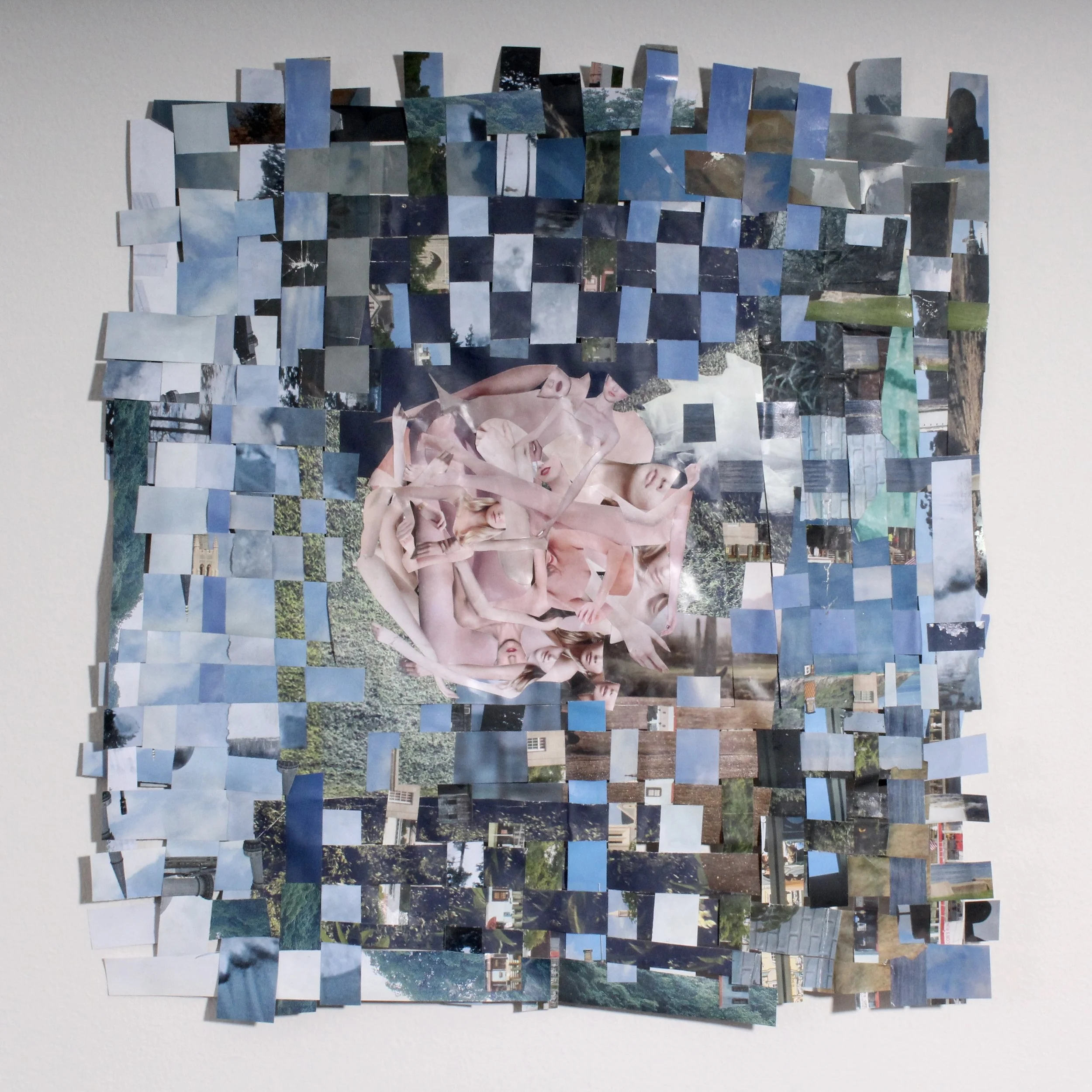
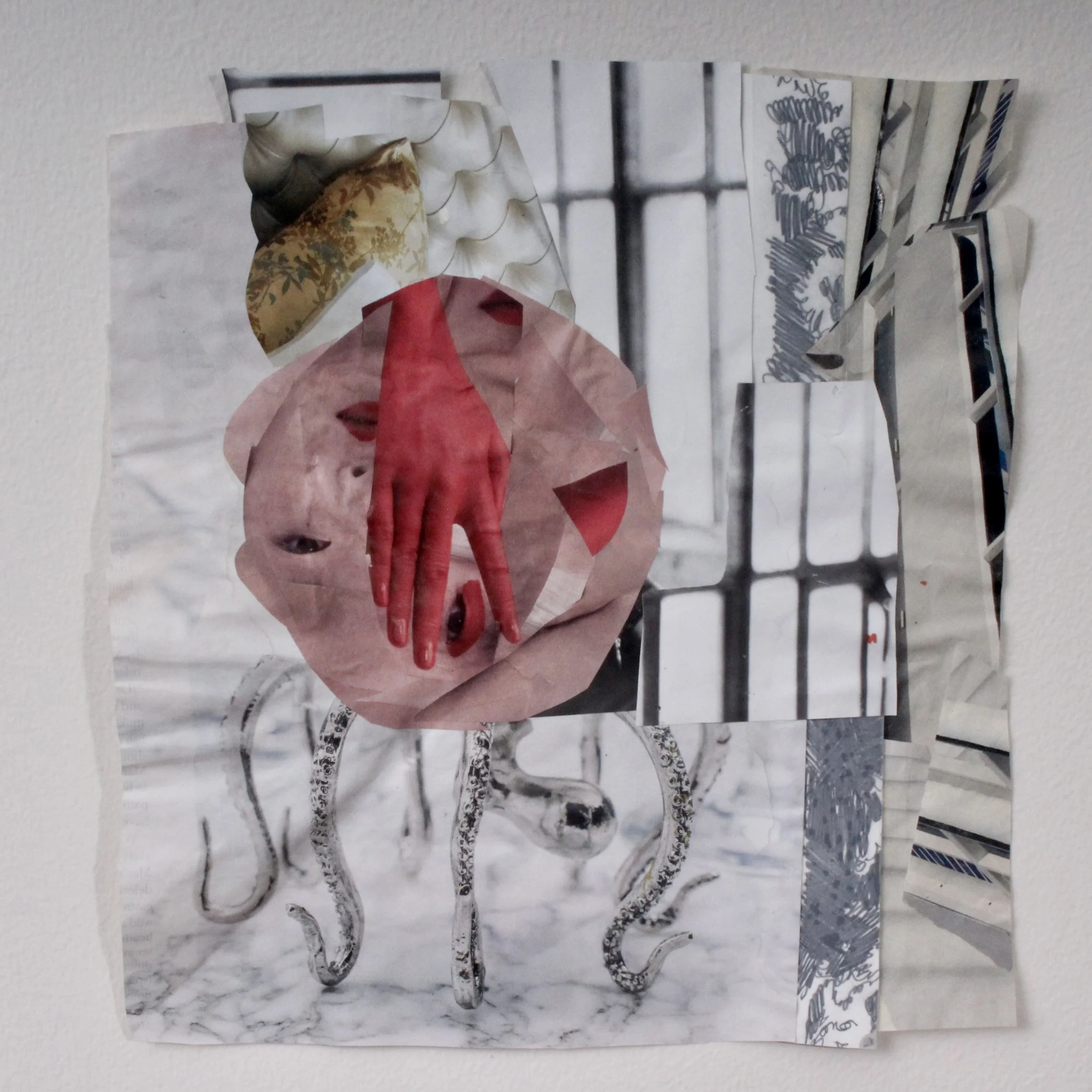
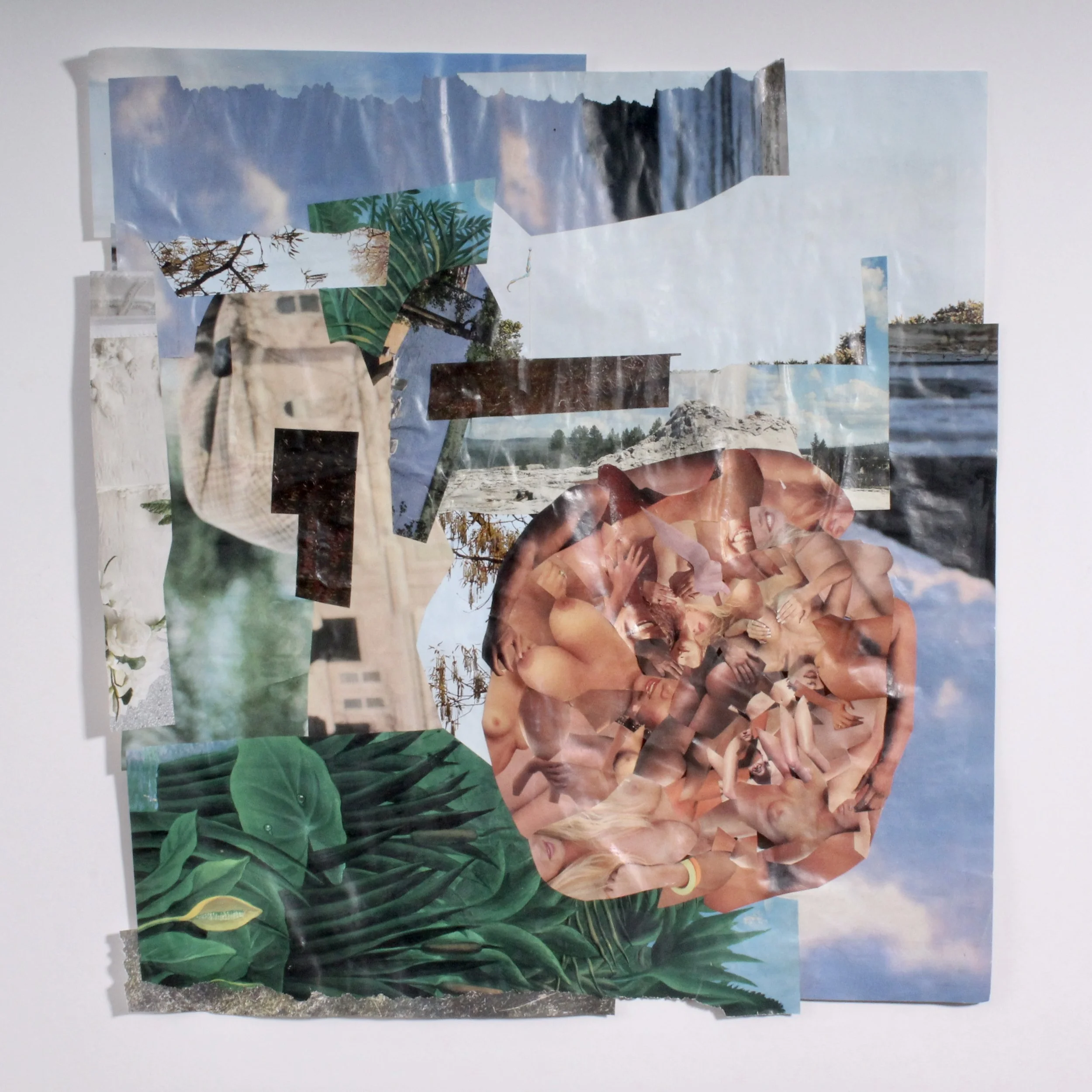
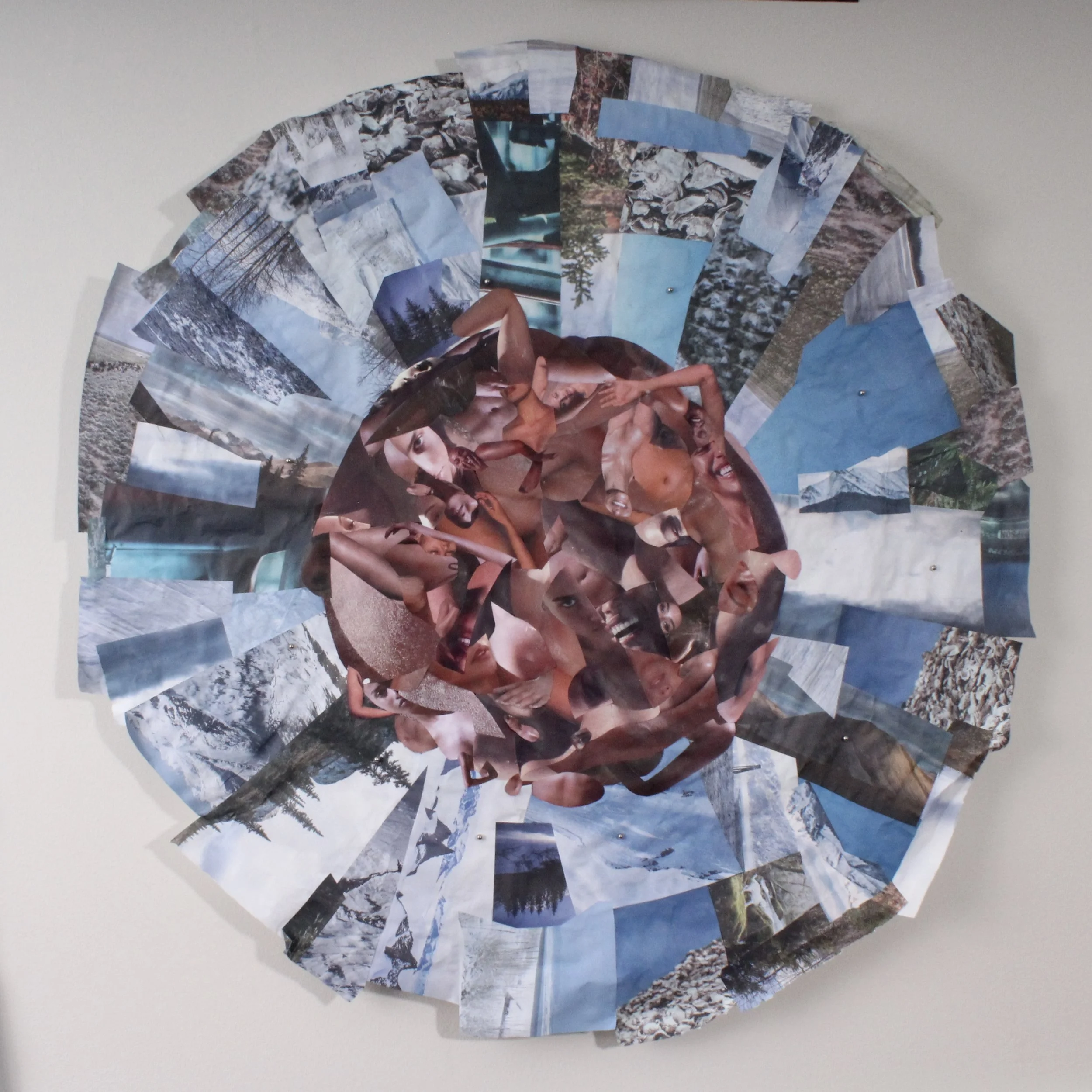
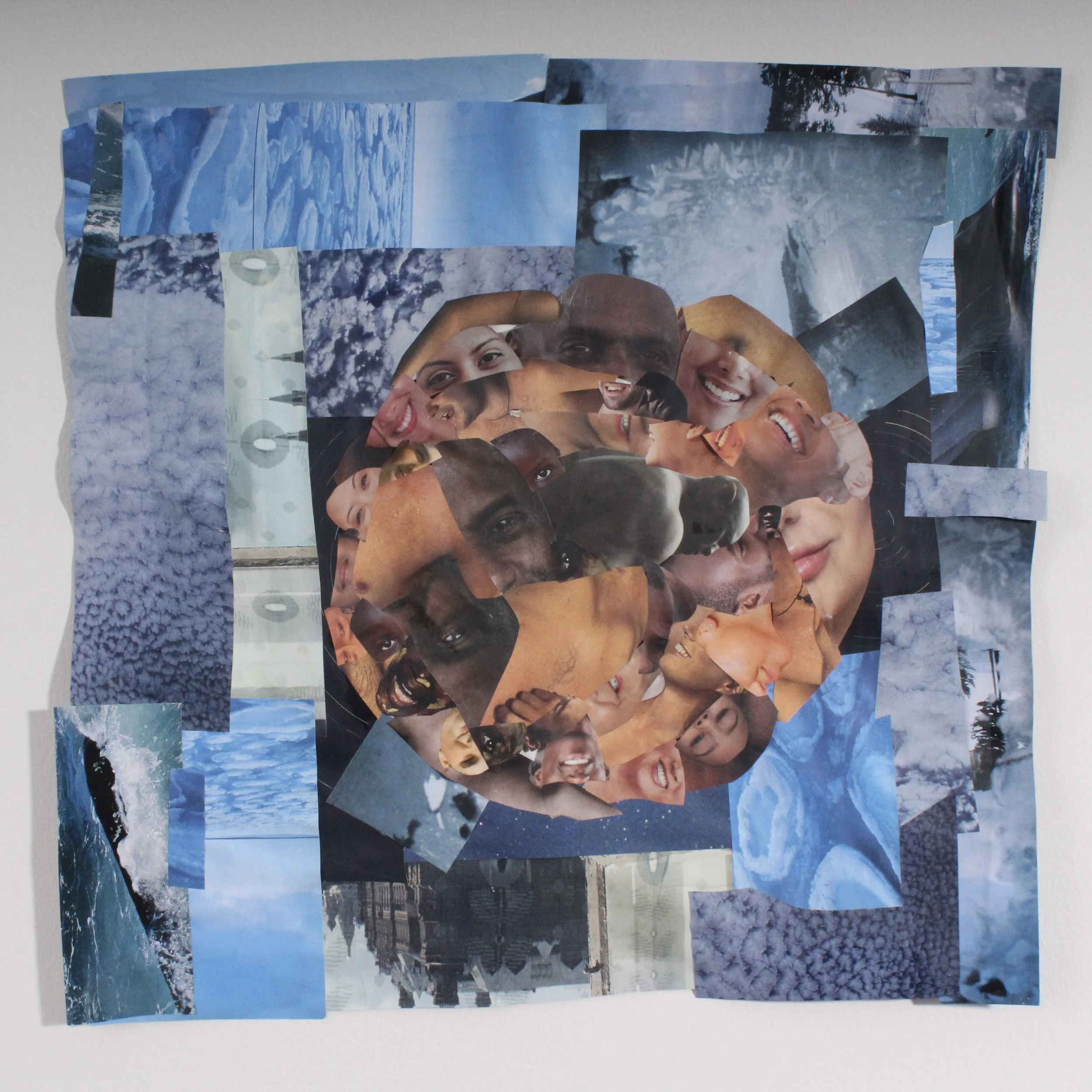
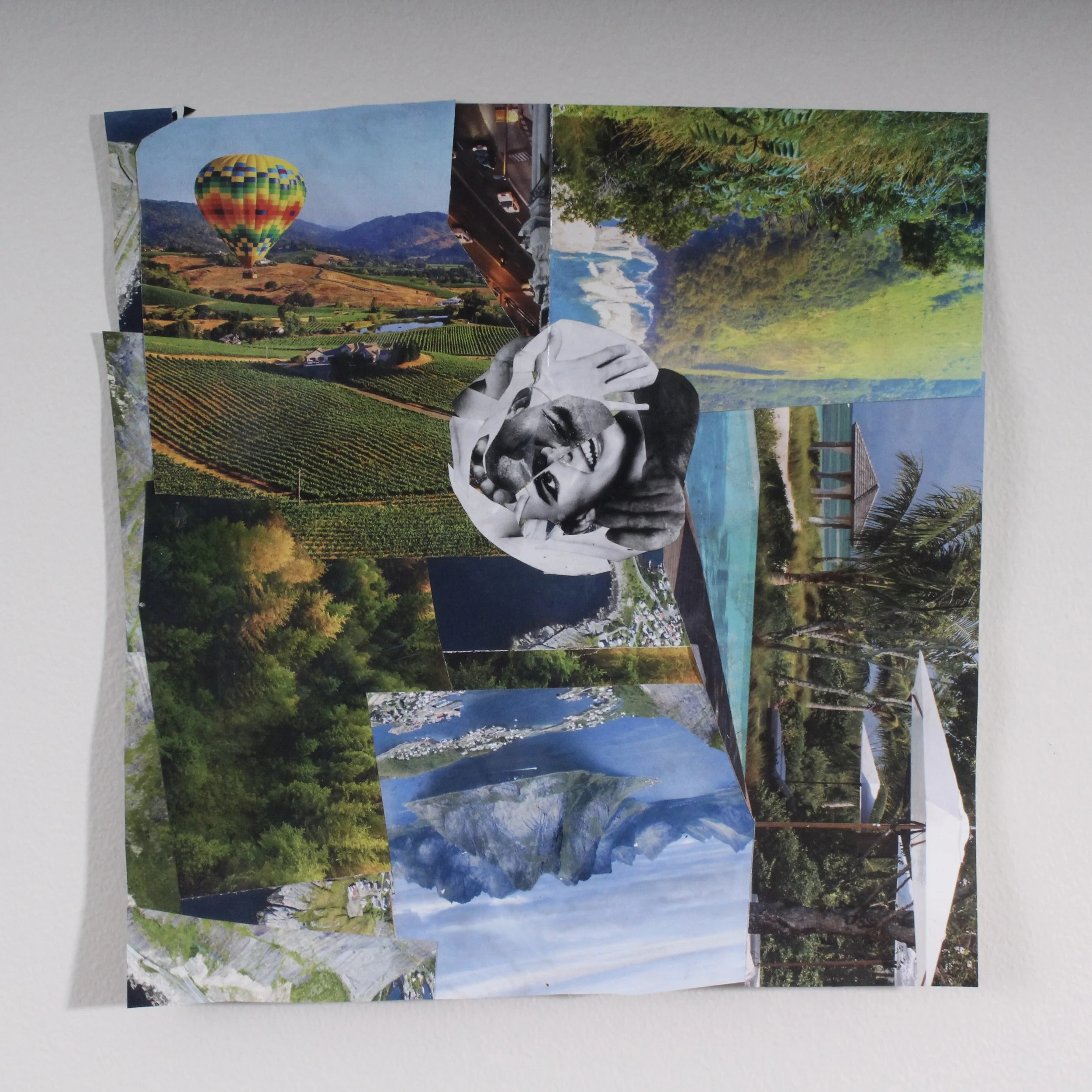
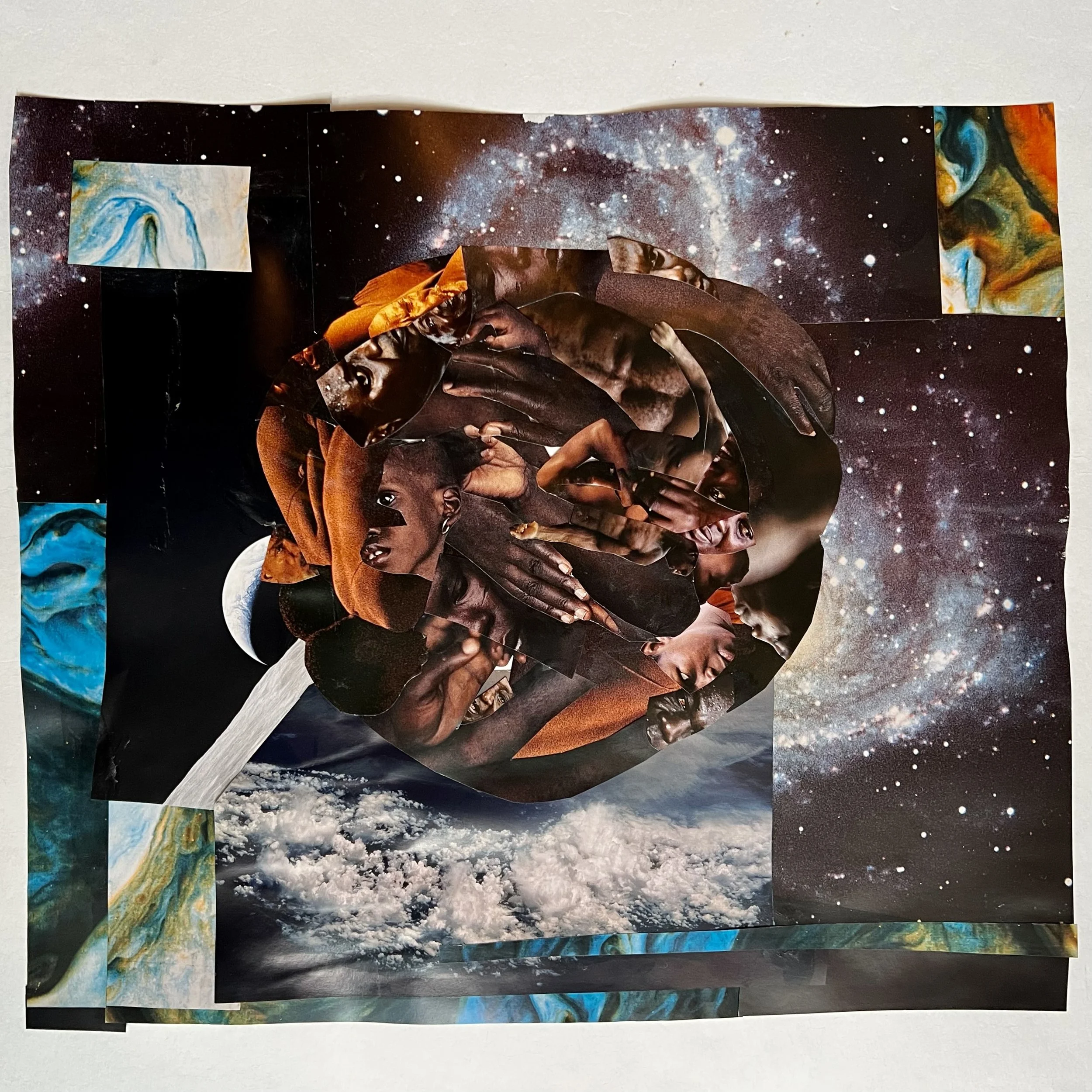
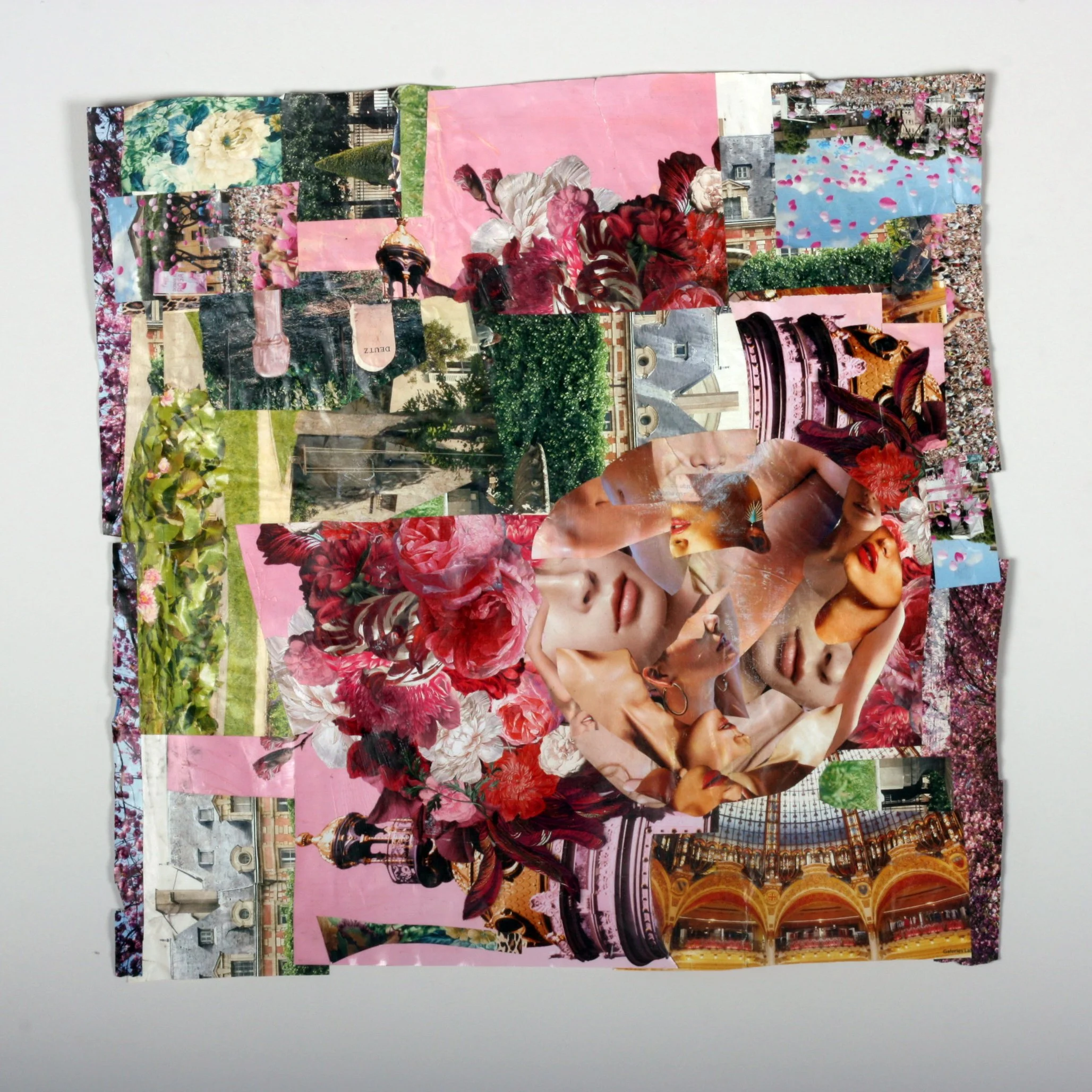
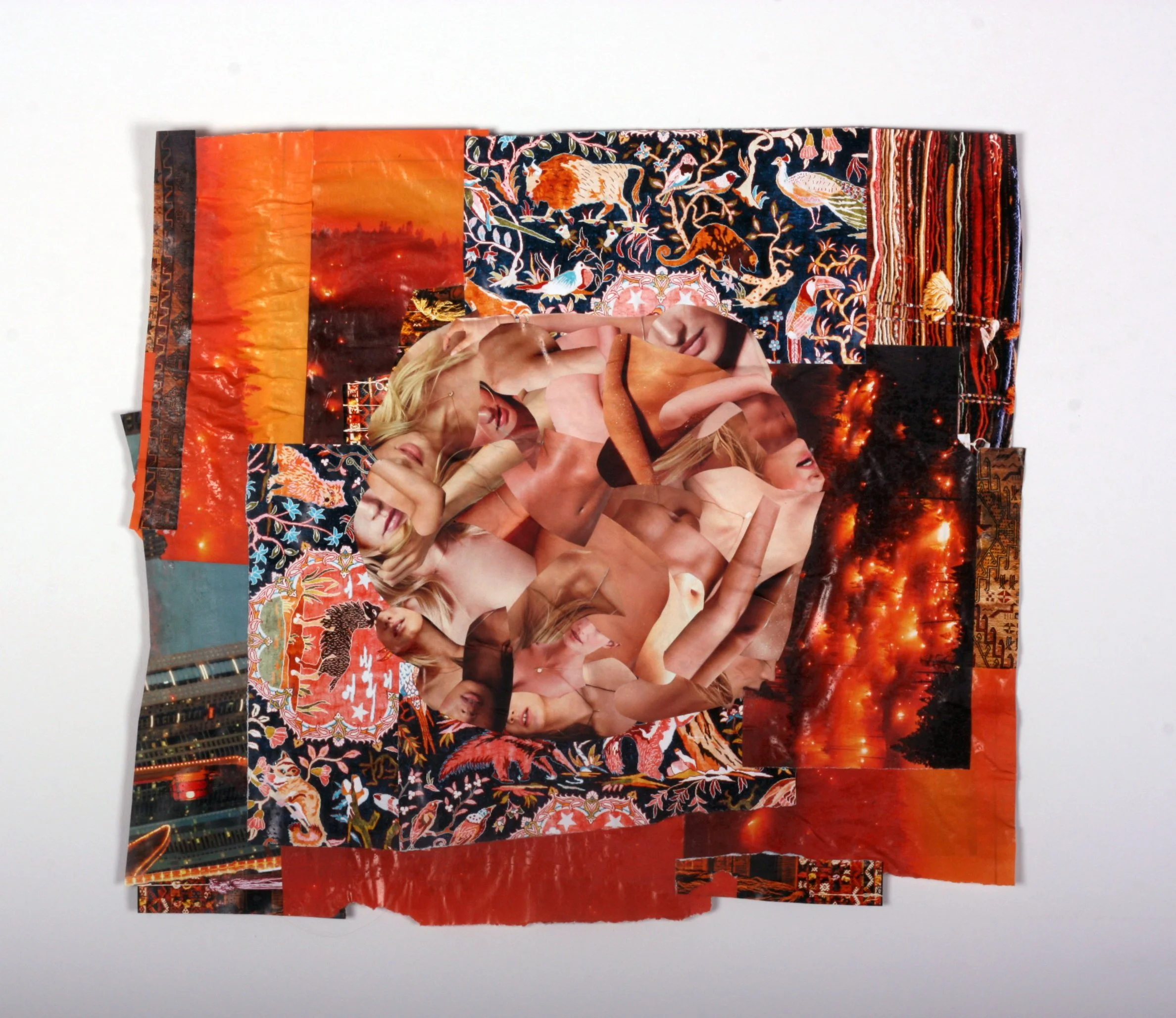
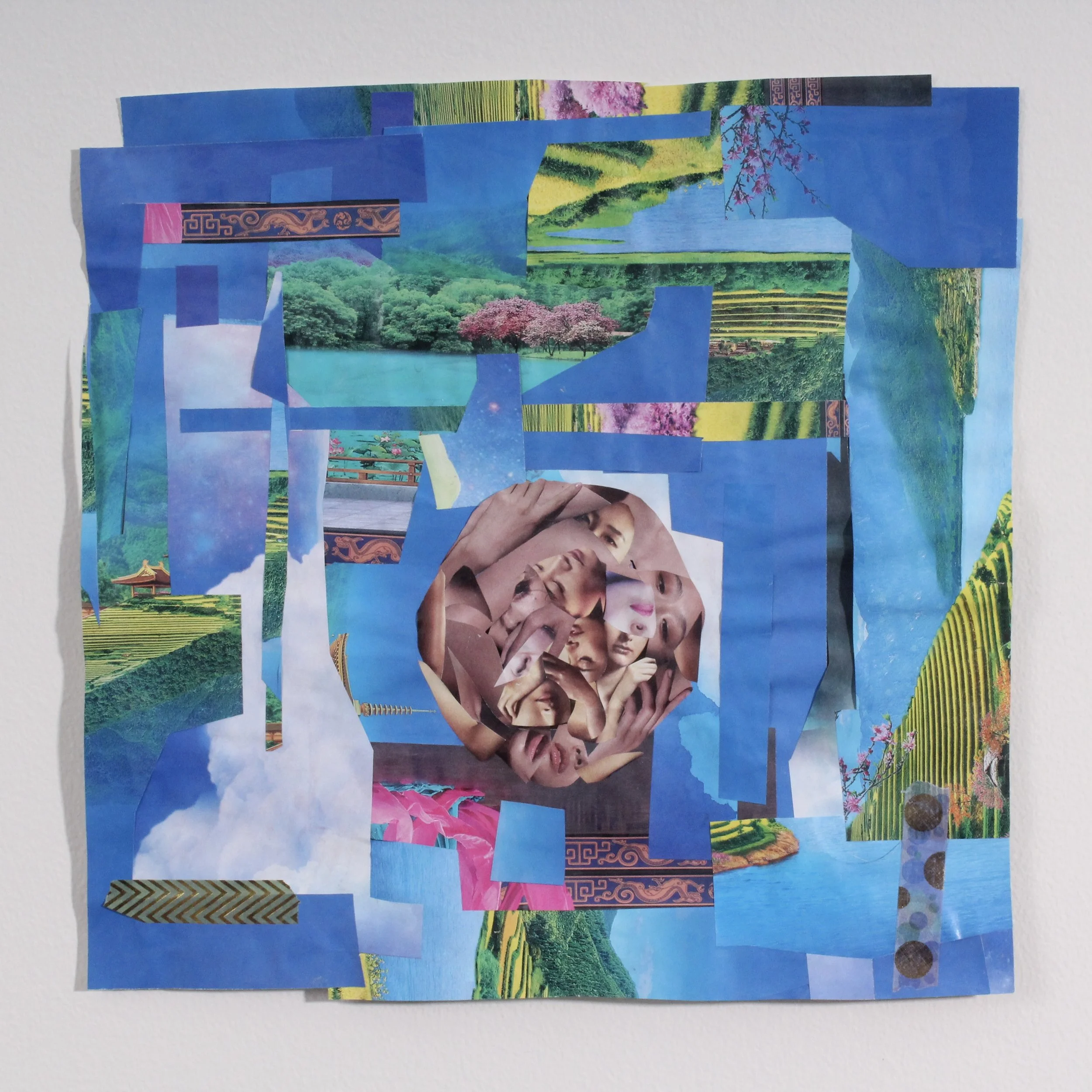
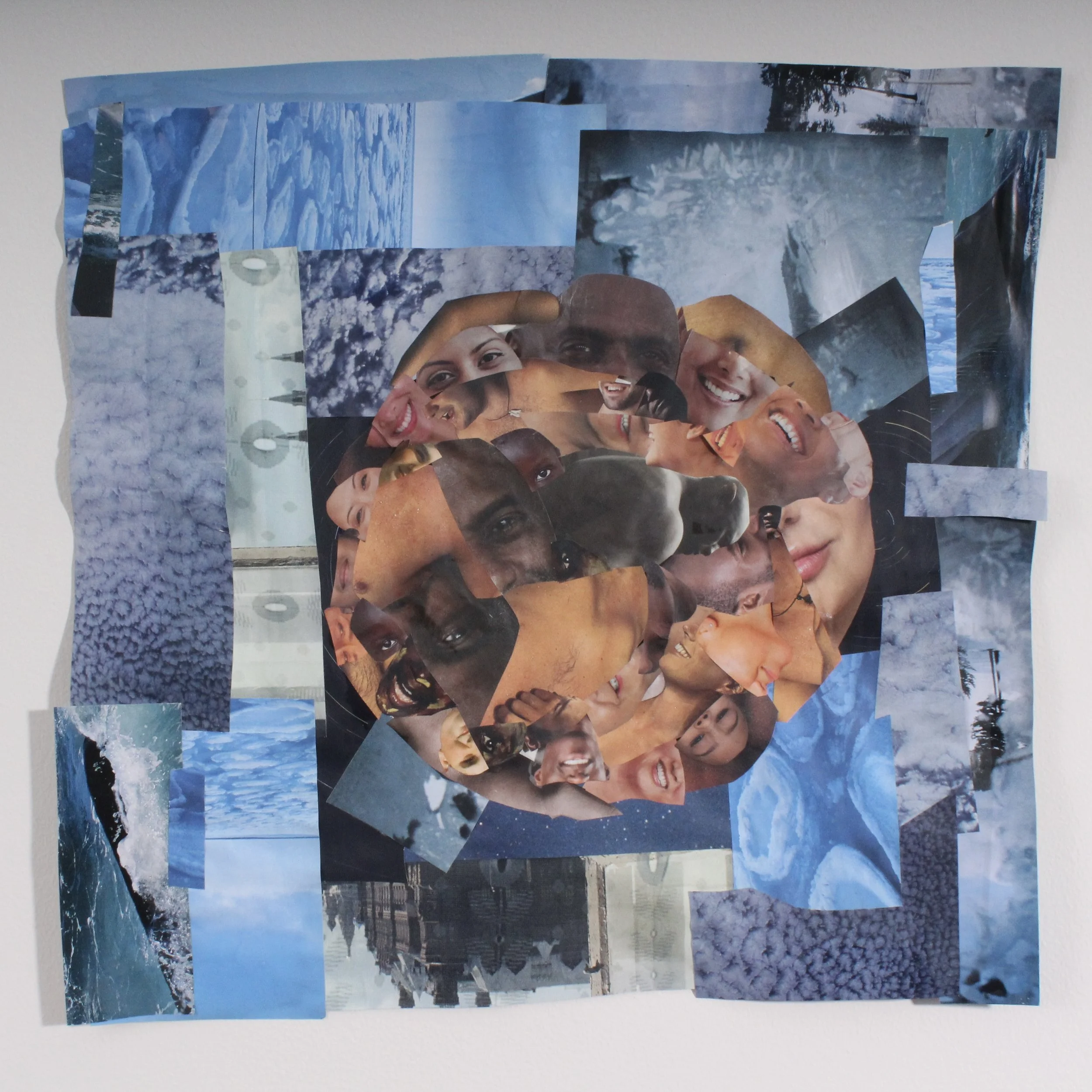
Fleshplanets are maps of what is ‘us’ and what is ‘other’, they are also a composite diagram of how skin and environment are color coded, smoothed, groomed by the camera and print production. They are a hyperobject made of denuded people, places, trees turned to pulp and pigmented, consumed, recycled. They offer a multiplicity of worlds, each with their own reality and orbit.
They offer a reminder that in the extraordinary complexity of our known universe, our planet stands as the unique example of a living ecosystem. Fleshplanets document how humanity is continually in the process of defining what consciousness is, what is considered worthy and desirable or exotic, what is precious and what is garbage.
Video Production Credit: Nathan Kuruna
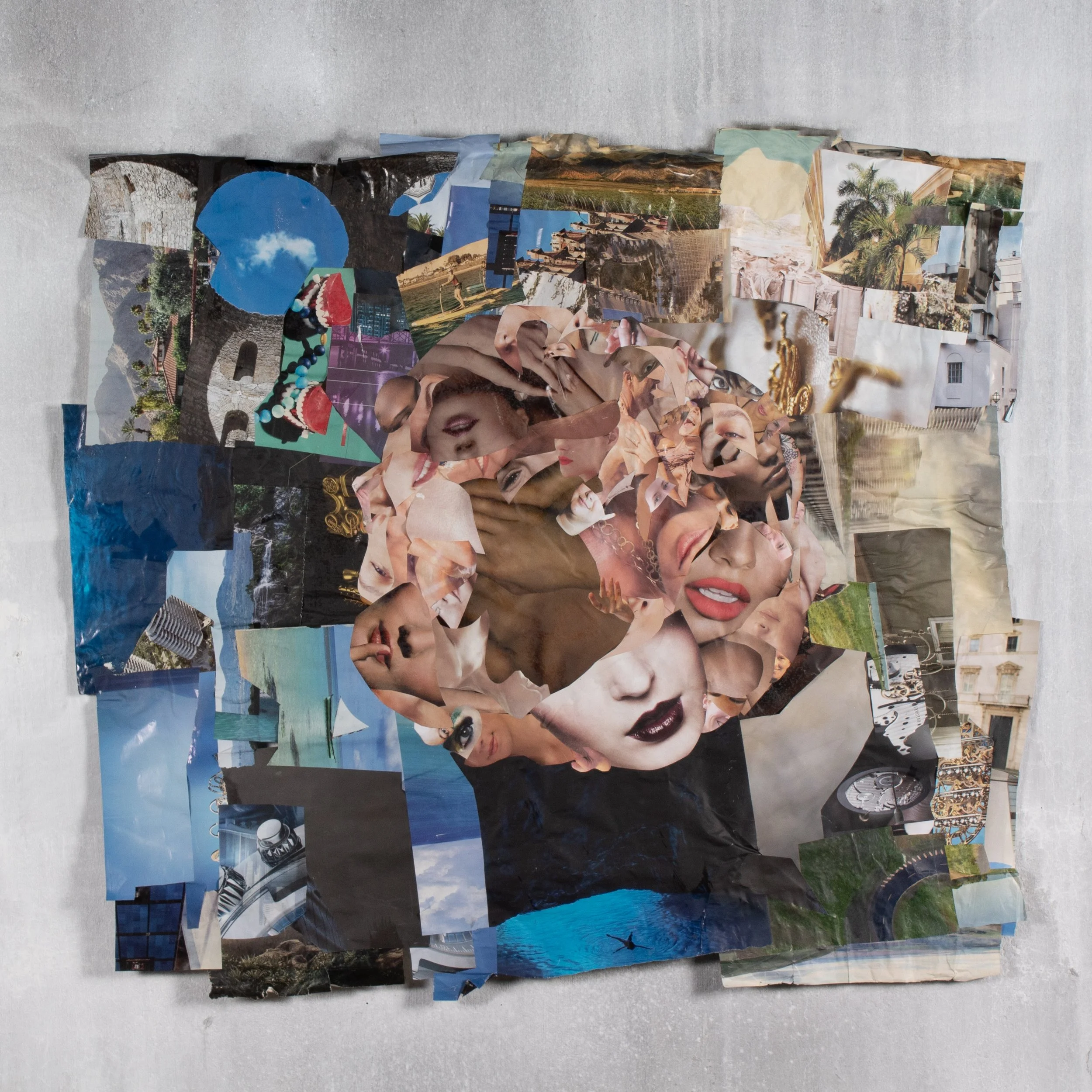
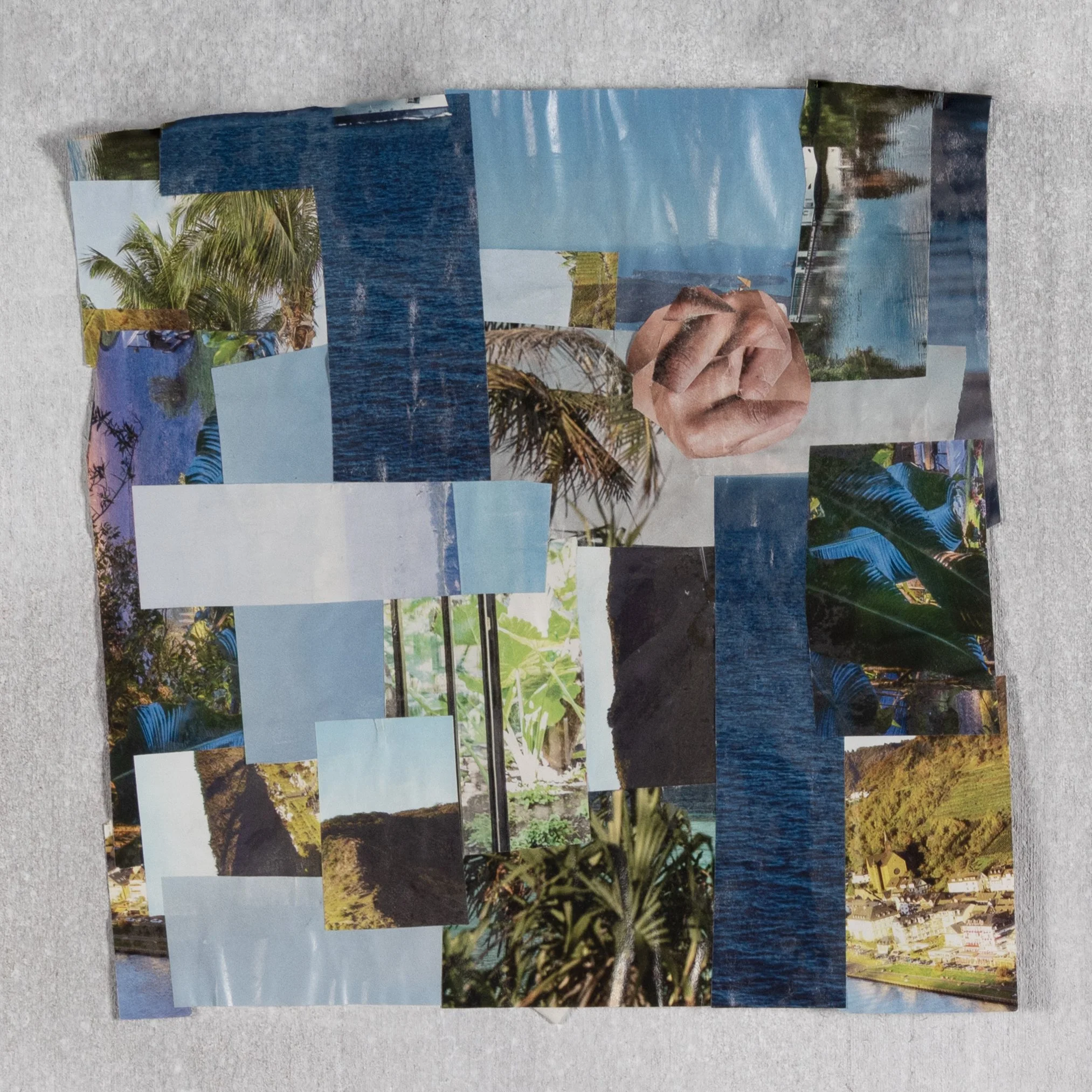
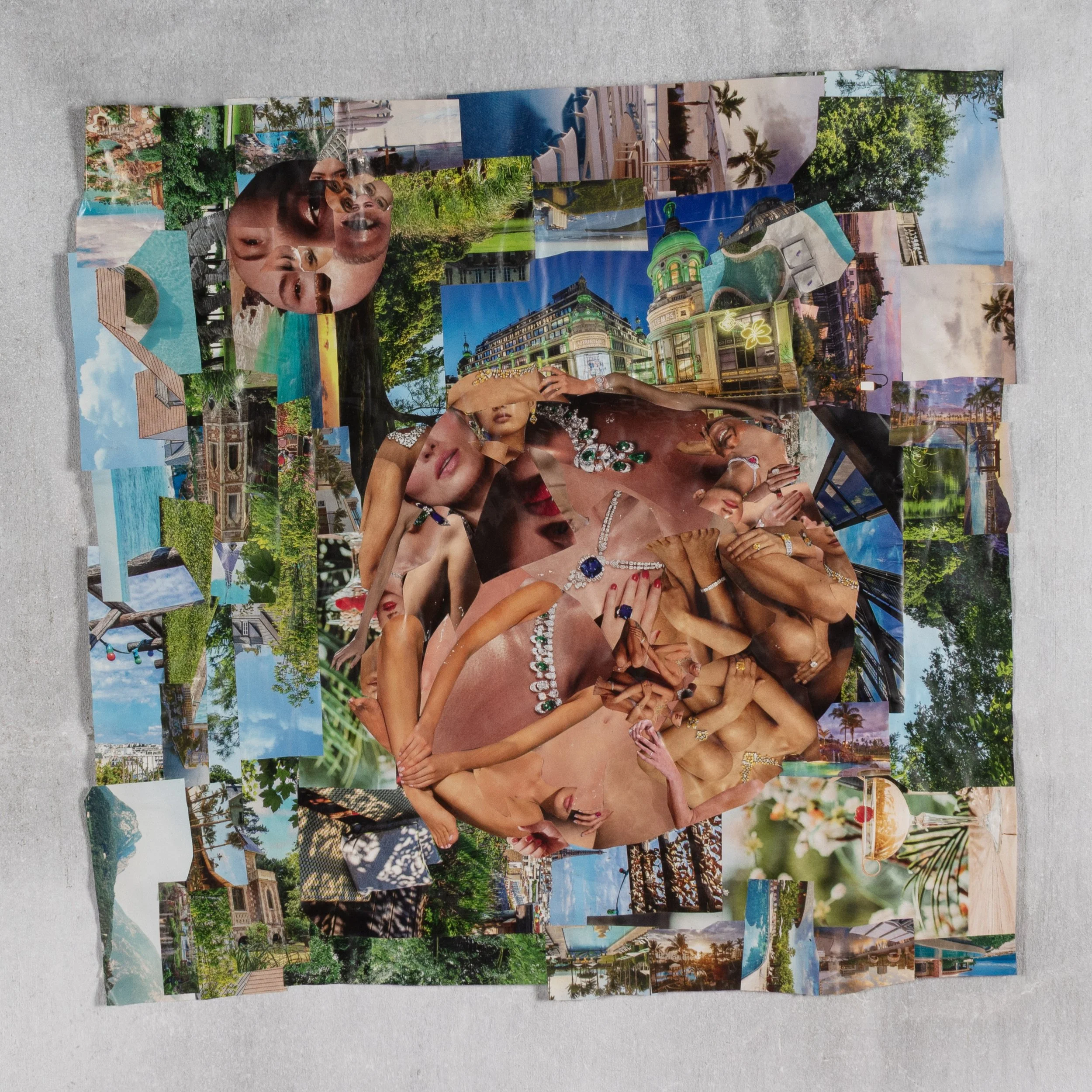
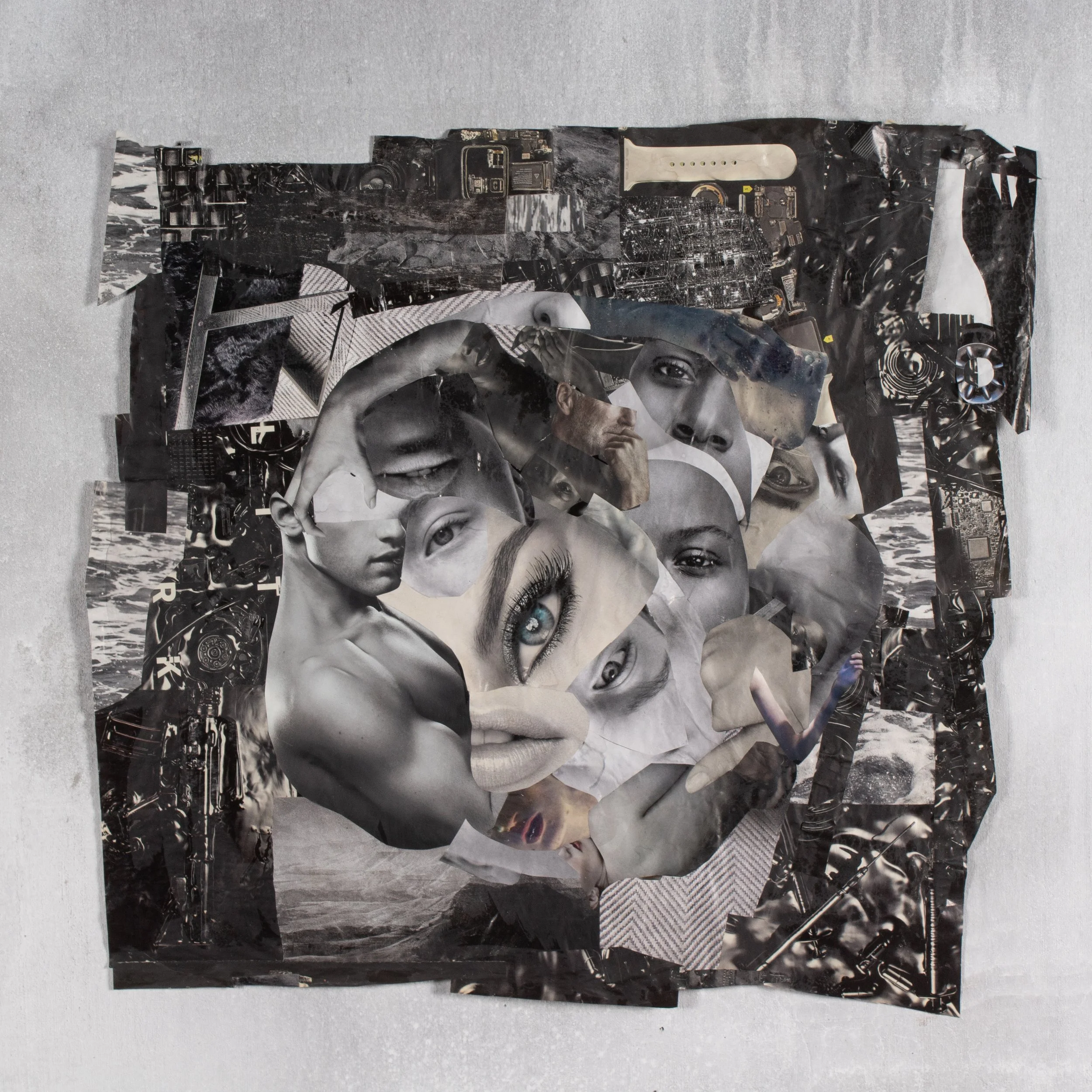
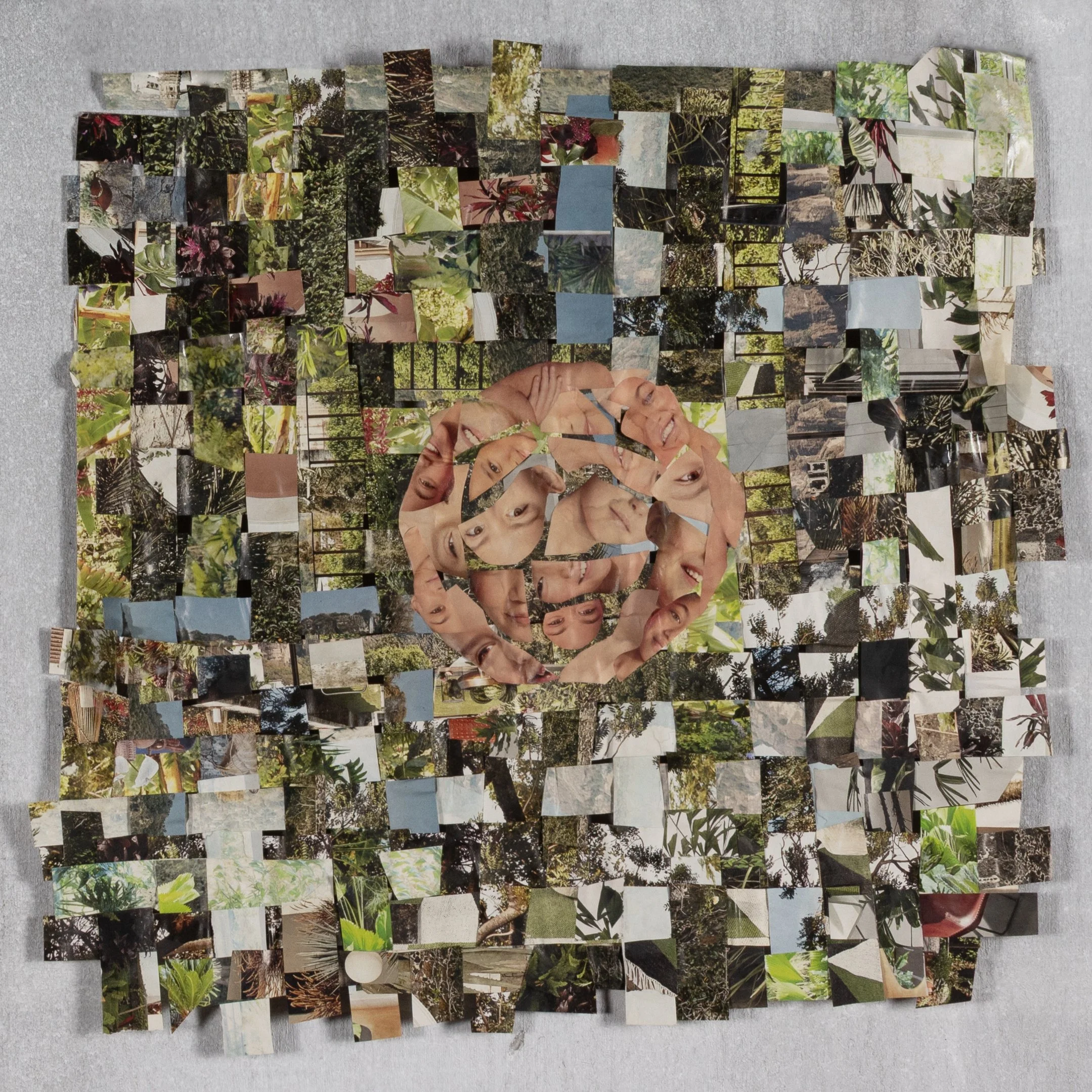
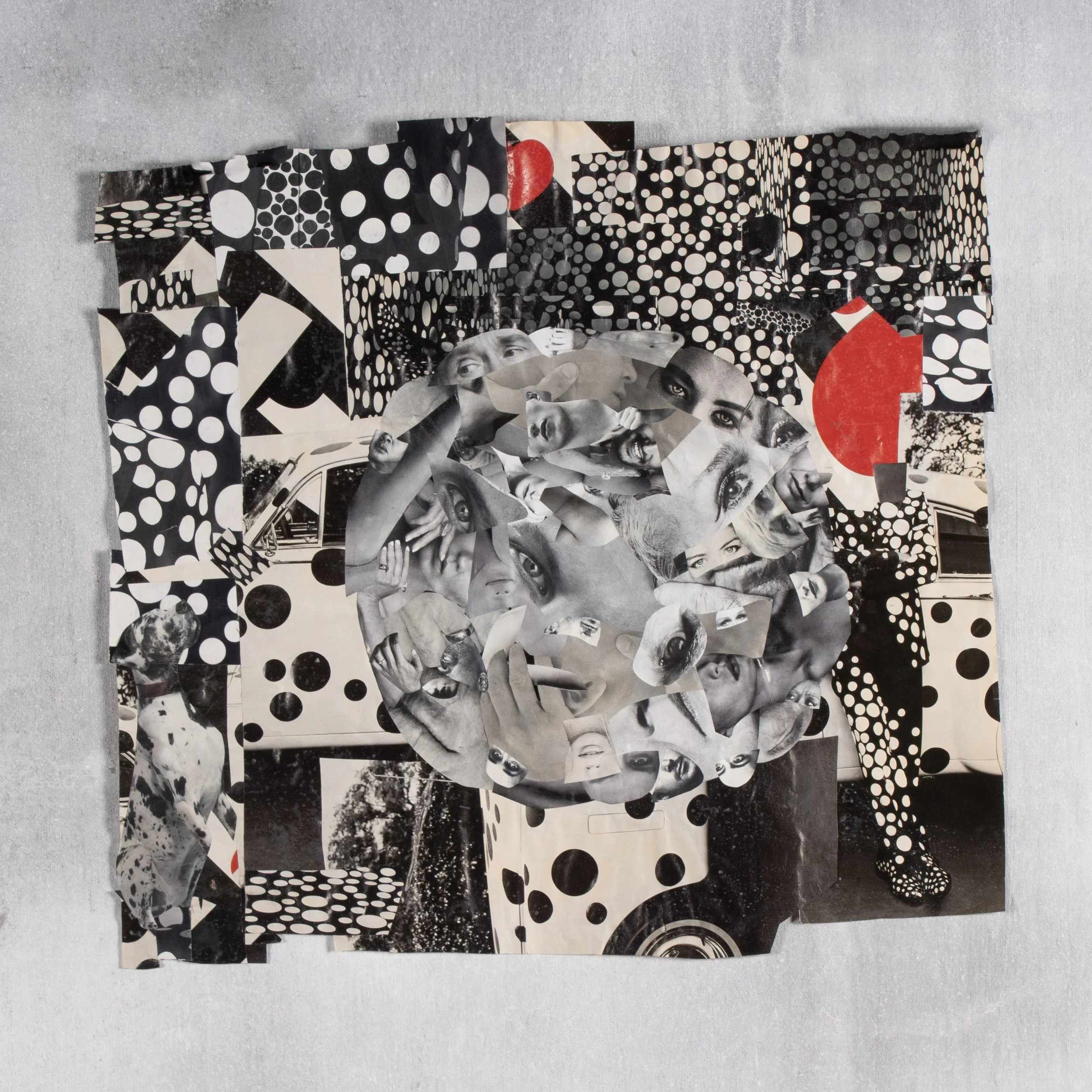
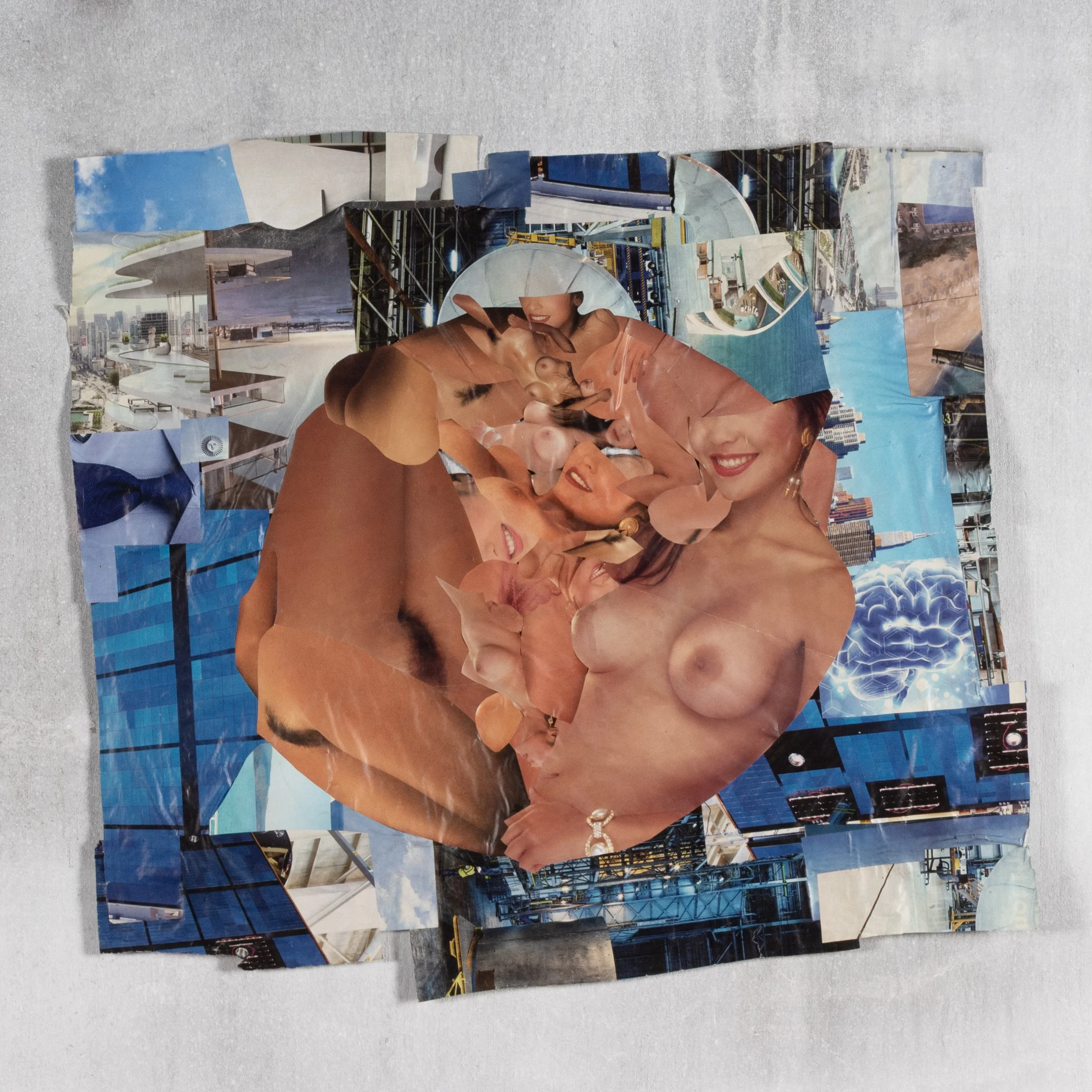
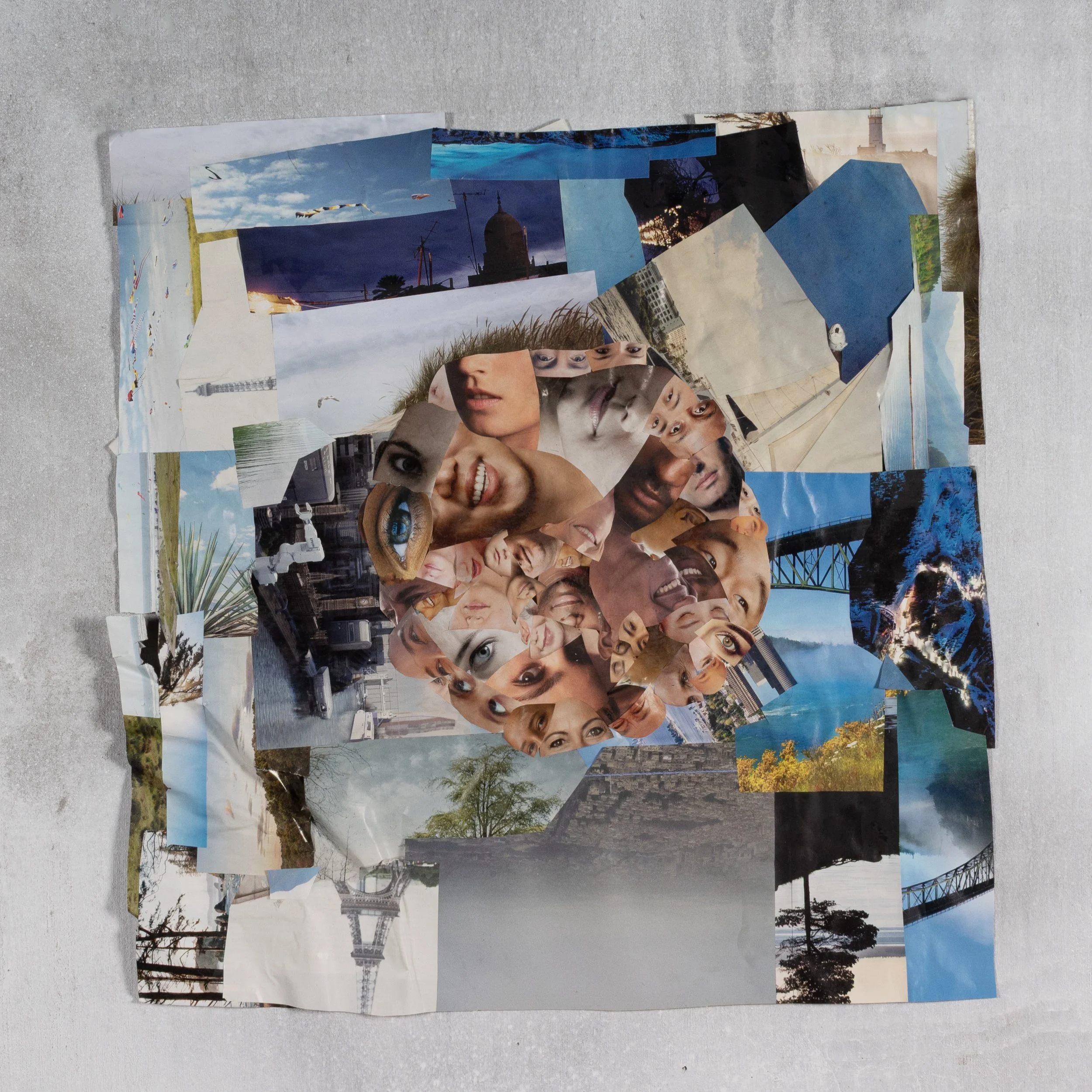
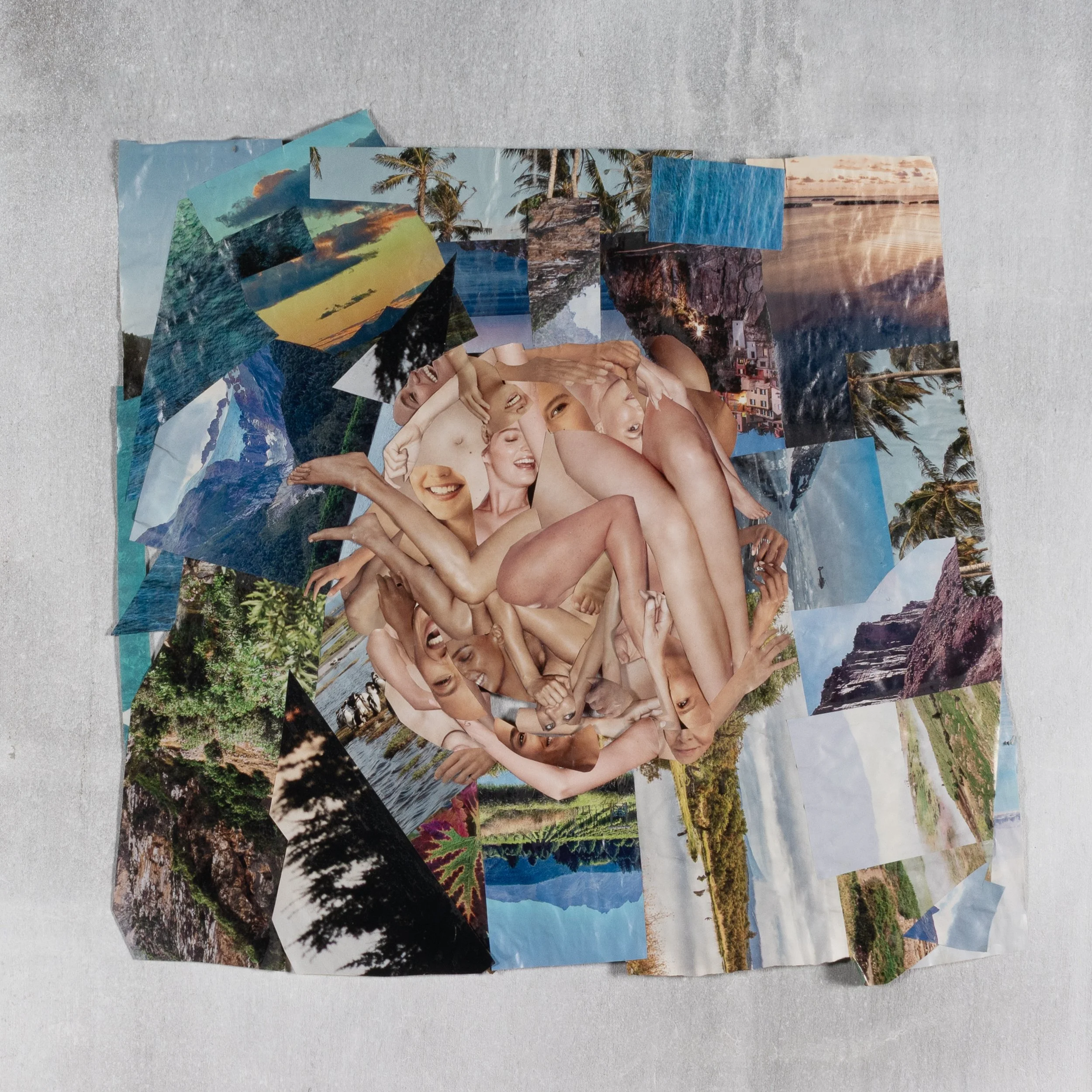
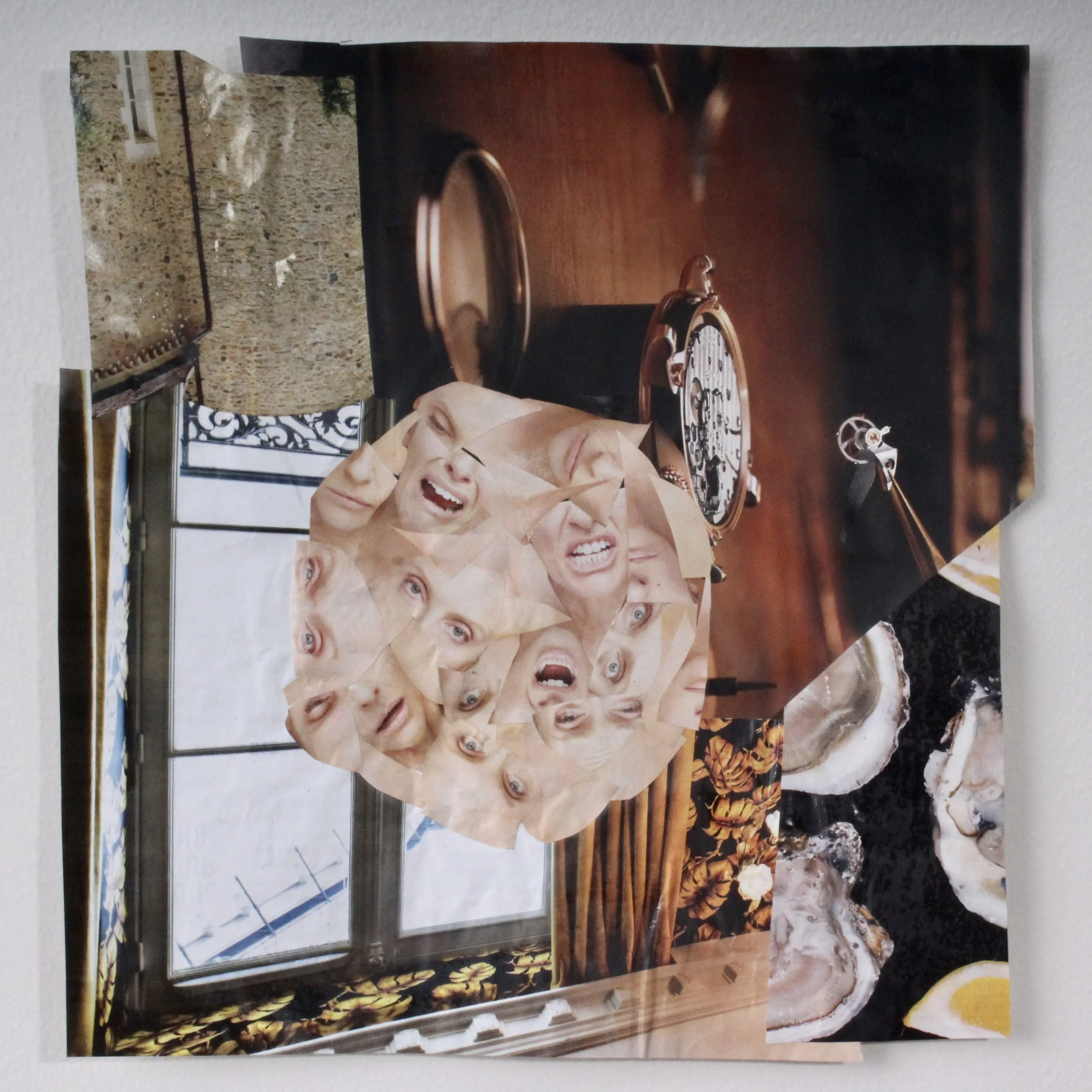
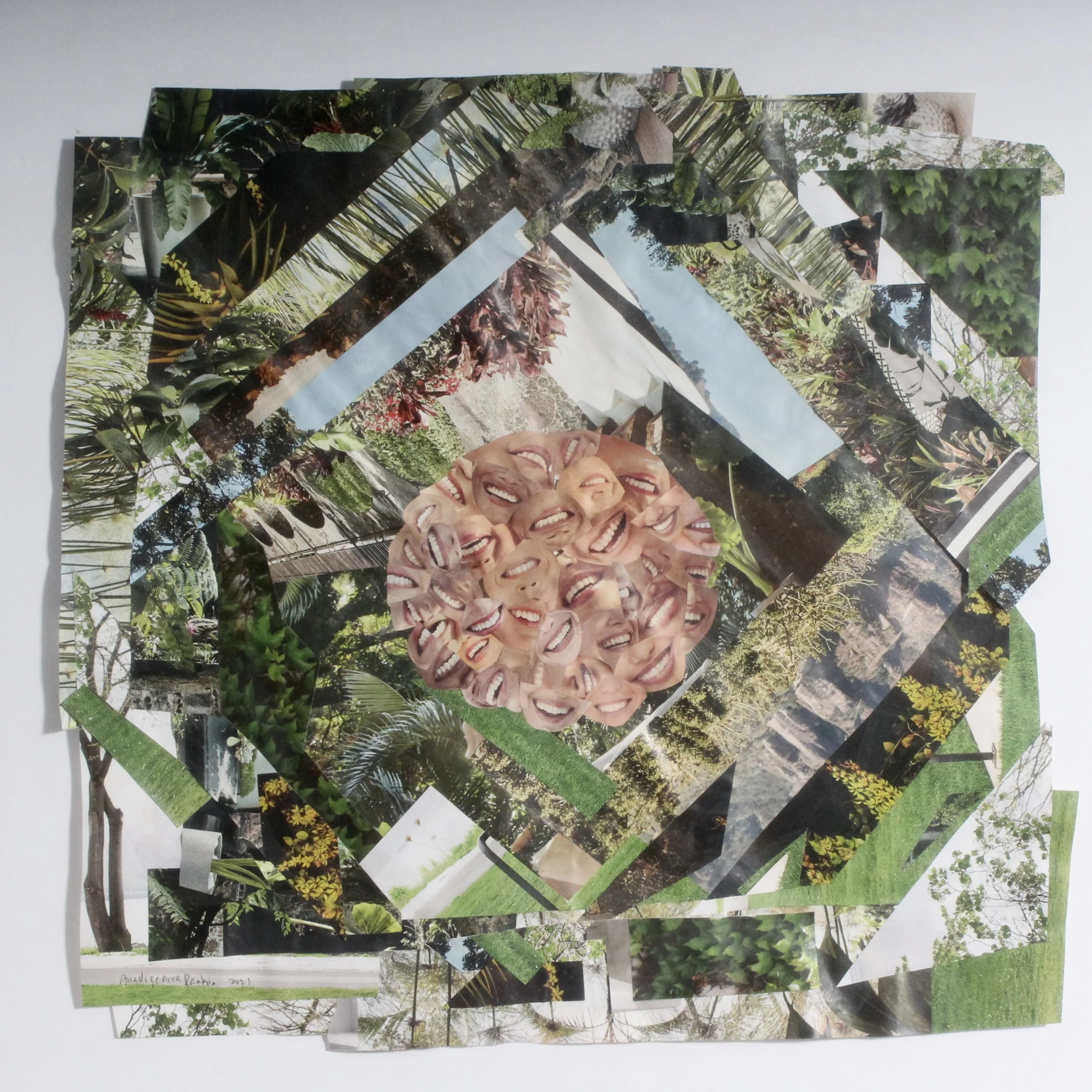
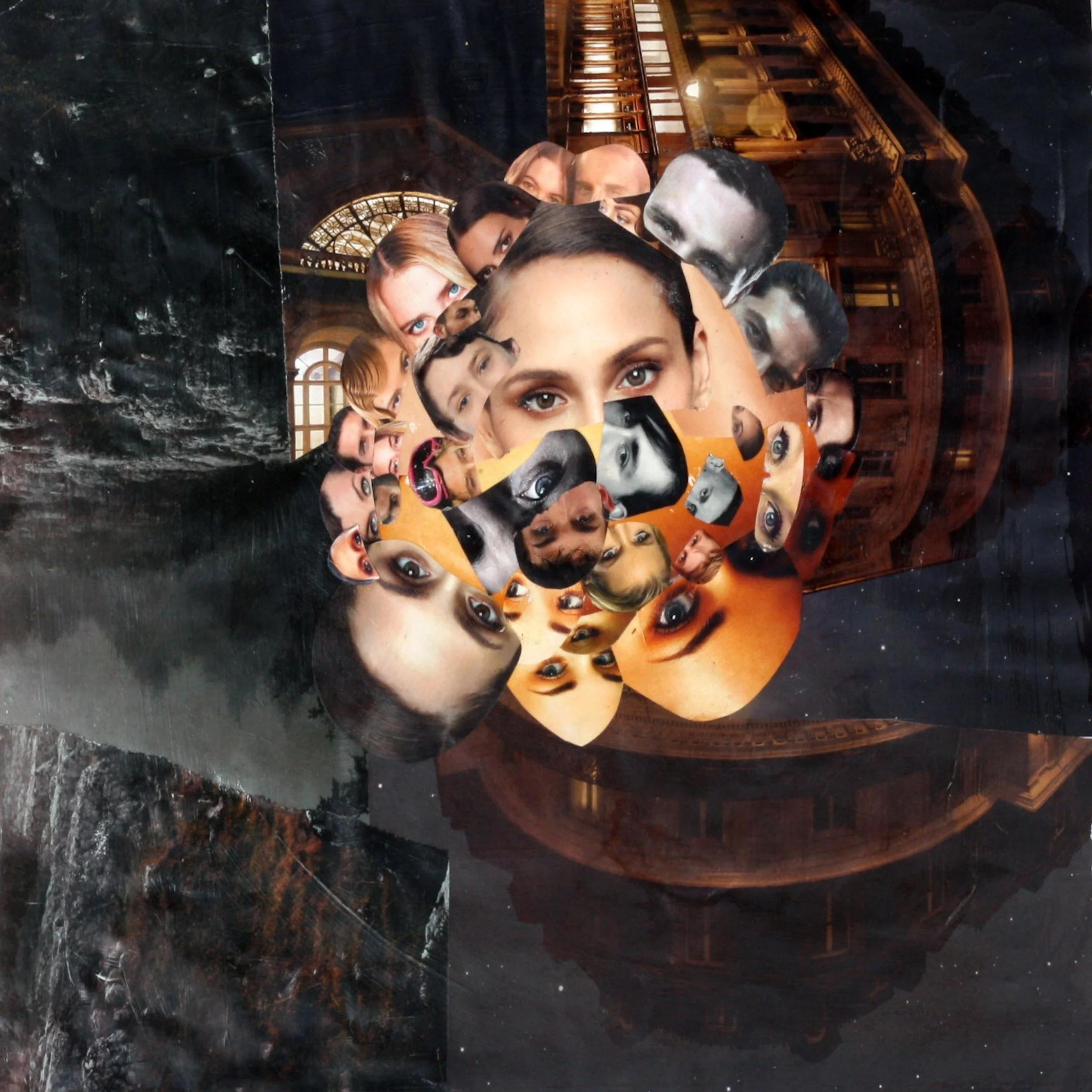
In each Fleshplanet, the skin is divorced from all trappings of wealth or beauty, removed from its context, and made into a proverbial pound of flesh. Exposed parts of the body become a new body, heavenly or earthly or maybe magical. Each of these pieced-together meat-units floats in a beautiful pristine environment comprised of seemingly untouched wilderness, or elegant human creations of architectural and horticultural beauty.
Like astronomical seeds, Fleshplanets offer little clues as to the gender, race, or age of the humans that contributed to it. No one keeps their face. Celebrities, rhino poachers, jewelry models and all others endure the same cannibalistic process in repetitive alchemy. Hands caressing, holding, reaching out, lips smiling or grinning maniacally, a proliferation of navels, give a Fleshplanet personality while rendering it “other”. Human yet not human. Conscious? Monstrous?